
Trees
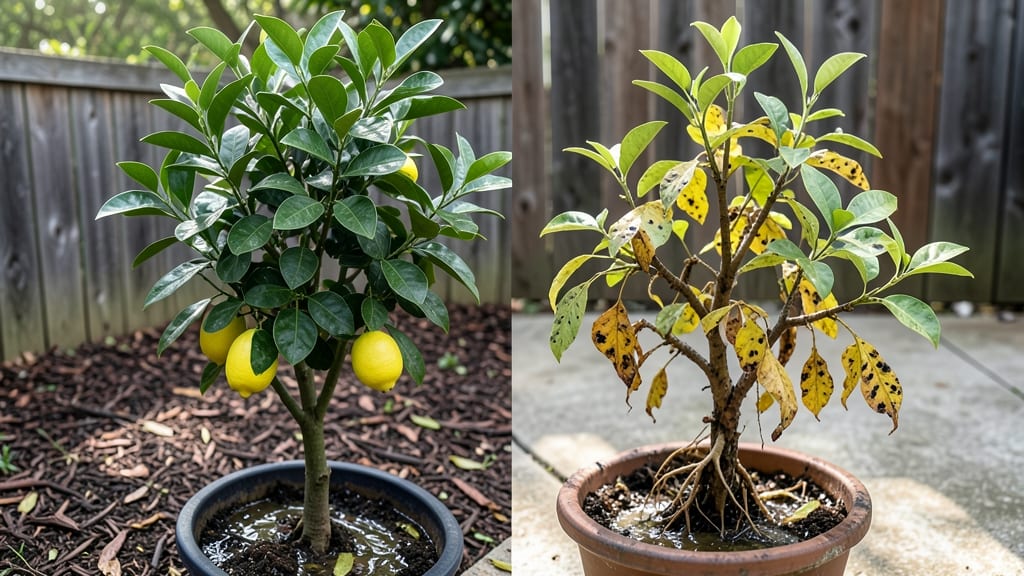
What does an overwatered lemon tree look like? It reveals its distress in ways that mimic drought—yellowing leaves, drooping branches, and a sad, wilted look that makes you want to hug the roots. 🌿 The first clue is often leaves turning pale yellow, especially on older branches, while the soil stays soggy even days after watering. I’ve seen this mistake too many times, where gardeners think "more water is better," only to watch their citrus trees decline.
Root rot sets in when roots can’t breathe, turning brown and mushy instead of firm and white. The soil smells sour or rotten, and even when you water less, the tree refuses to perk up.
My neighbor’s Meyer lemon tree went from thriving to nearly dead in two weeks—until we dug in and fixed the drainage. The key is checking the top 2-3 inches of soil before watering; if it’s damp, wait. If it’s bone-dry, water deeply but only once a week.
What you’ll achieve is a lemon tree that recovers its vibrant green leaves and starts producing again—within weeks, not months. The first sign of improvement is new growth at the tips of branches, followed by a firmer trunk and soil that smells fresh, not funky.
Prune any blackened roots immediately, and repot if drainage is poor. This isn’t just about saving the tree; it’s about giving it a second chance to thrive.
Works for potted lemon trees, in-ground citrus, and even those tricky dwarf varieties. The same rules apply whether you’re in a warm climate or a cooler zone—drainage is the real hero here. Let’s get that tree back on track.
Common Causes of Overwatering
Overwatering your lemon tree might seem like a harmless mistake—after all, plants need water to thrive! But when roots sit in soggy soil for too long, they struggle to absorb oxygen, leading to a cascade of problems.
Let’s break down the real culprits behind why your citrus tree might be drowning in its own pot.
Lemon trees are drought-tolerant once established, meaning they prefer their soil to dry out slightly between waterings. When you water too often, especially in small pots or containers, excess moisture crowds out oxygen in the root zone.
This forces roots to suffocate, triggering stress signals like yellowing leaves and stunted growth.
Why it happens:
- Poor drainage: If your pot lacks drainage holes or sits in a saucer without emptying, water pools at the bottom, creating anaerobic (oxygen-free) conditions.
- Overzealous schedules: Watering on a strict daily or even weekly schedule—regardless of weather or soil moisture—keeps roots waterlogged.
- Mistaking thirst for stress: Lemon trees in hot climates may wilt slightly in the afternoon, but this is normal. Overwatering in response can worsen the problem.
Actionable fix:
- Check soil moisture before watering: Stick your finger 2–3 inches deep. If it’s damp, wait.
- Upgrade your pot: Use terracotta or fabric pots with drainage holes to prevent waterlogging.
- Adjust frequency: Water deeply but only when the top 1–2 inches of soil are dry (usually every 7–10 days for mature trees).
Not all soil is created equal—and neither are containers. Heavy, clay-based soils or compacted potting mixes hold water like a sponge, while shallow pots trap moisture near the roots. Without proper airflow, roots can’t breathe, leading to root rot (a fungal infection caused by Phytophthora or Pythium pathogens).
Why it happens:
- Clay-heavy or non-porous soil: These materials don’t allow excess water to escape, leaving roots saturated.
- Lack of organic matter: Soil with low compost or perlite retains moisture longer than necessary.
- Small or shallow pots: Roots outgrow the container, but the limited space means water has nowhere to go but downward, pooling at the bottom.
Actionable fix:
- Use well-draining soil: Mix 50% potting soil, 30% perlite or pumice, and 20% compost for optimal aeration.
- Choose the right pot: Opt for terracotta, fabric, or plastic pots with drainage holes (minimum 12–18 inches in diameter for mature lemon trees).
- Elevate pots: Place saucers on feet or pebbles to prevent water from sitting against the container.
Water needs shift with the seasons. What works in cool, rainy spring (light, infrequent watering) can drown your tree in hot, dry summer. Overwatering in these conditions is like giving your tree a soggy blanket—it can’t regulate its temperature or absorb nutrients properly.
Why it happens:
- No seasonal adjustments: Watering the same amount year-round, regardless of rain or temperature.
- Humidity traps: High humidity (common in coastal or tropical climates) slows evaporation, keeping soil wet longer.
- Cold snaps: Lemon trees slow down in winter, needing far less water than in peak growth months.
Actionable fix:
- Water less in winter: Reduce frequency by 50% when temperatures drop below 60°F (15°C).
- Monitor humidity: In humid climates, water only when the soil is bone-dry 3–4 inches deep.
- Use a moisture meter: A simple $10 soil moisture sensor takes the guesswork out of watering.
How you water matters just as much as how often. Overhead watering (like from a hose or sprinkler) can compact soil, reducing aeration. Without mulch, soil dries unevenly, leading to patchy waterlogging where roots cluster near the surface.
Why it happens:
- Surface-level watering: Roots stay shallow, unable to access deeper, drier soil layers.
- No mulch protection: Mulch (like straw or wood chips) retains moisture evenly and insulates roots from temperature swings.
- Splashing soil: Heavy watering can displace soil, creating air pockets that trap water instead of allowing drainage.
Actionable fix:
- Water at the base: Use a drip irrigation system or watering can with a narrow spout to deliver moisture directly to the root zone.
- Add mulch: Spread 2–3 inches of organic mulch (avoid piling against the trunk) to regulate soil moisture.
- Water deeply but less often: Aim for 1–2 inches of water per session, soaking the root ball thoroughly.
Revive Your Lemon Tree Now
Overwatering can feel like a silent killer for lemon trees—until it’s too late. But the good news? With the right steps, you can nurse your tree back to health and prevent future soggy soil disasters.
Below, we’ll map out cause-specific fixes and share easy-to-follow prevention tips to keep your citrus thriving.
Cause: Overwatering starves roots of oxygen, leading to nutrient deficiencies and yellowing foliage (chlorosis). Fix: ✅ Step 1: Let the Soil Dry Out 🔥
- Stop watering immediately. Lemon trees prefer dry, well-draining soil—think of a sponge that’s slightly damp, not dripping.
- Stick your finger 2–3 inches deep into the soil. If it’s wet, wait 3–5 days before watering again.
✅ Step 2: Improve Drainage 🏗️
- If your pot lacks drainage holes, repot your tree into a container with holes or a raised bed.
- Mix perlite or coarse sand (10–20%) into fresh potting soil to boost aeration.
✅ Step 3: Prune Damaged Leaves ✂️
- Snip off yellow, mushy, or blackened leaves with clean pruners to redirect energy to healthy growth.
- Pro Tip: Disinfect pruners with rubbing alcohol to prevent fungal spread. 💡
✅ Step 4: Fertilize Lightly 🌿
- Overwatered trees often lack nitrogen. Use a balanced citrus fertilizer (6-6-6 or 10-10-10) at half strength every 4–6 weeks.
- Avoid high-nitrogen fertilizers if roots are still soggy—they’ll worsen rot.
Cause: Waterlogged soil suffocates roots, causing wilting even when soil feels damp. Fix: ✅ Step 1: Check for Root Rot 👀
- Gently remove the top 1–2 inches of soil and inspect roots. Healthy roots are white or light tan; rotten roots are black, mushy, or smell foul.
- If rot is severe, trim affected roots with sterilized shears and repot in fresh, dry soil.
✅ Step 2: Water Deeply but Infrequently 💦 - Lemon trees hate shallow, frequent watering.
Instead, soak the root zone until water drains from the bottom, then wait until the top 1–2 inches are dry before repeating. - Schedule: Every 7–10 days in summer, every 2–3 weeks in winter (adjust for climate).
✅ Step 3: Boost Airflow 🌬️
- Overcrowded pots or dense foliage trap moisture. Thin out branches to improve airflow and reduce humidity around the tree.
- Move potted trees to a bright, partially shaded spot (direct sun + soggy soil = recipe for stress).
Cause: Excess moisture leads to blossom drop, small fruit, or fungal infections (like citrus scab). Fix: ✅ Step 1: Reduce Humidity 🌡️
- Place a fan nearby (on low setting) to circulate air and speed up evaporation.
- Avoid misting leaves—water only at the base.
✅ Step 2: Test Soil Moisture 📊
- Invest in a moisture meter ($10–$15) to avoid guesswork. Aim for 40–60% moisture at the root level.
✅ Step 3: Support Weak Branches 🌳
- If branches are limp or breaking, stake them lightly to prevent further damage while the tree recovers.
- 💡 Use the Right Pot: Terracotta pots dry out faster than plastic—ideal for lemon trees. - ✨ Mulch Smartly: Apply 2–3 inches of organic mulch (like straw) around the base to retain just enough moisture without suffocating roots. - 🌧️ Adjust for Rain: If you’re in a rainy climate, cover the pot with a tarp during heavy downpours or move it to a sheltered spot. - 🎯 Monitor Year-Round: Lemon trees need less water in winter (growth slows).
Cut back to every 3–4 weeks unless indoors with heat.
Final Thought: Overwatering is a fixable issue—your lemon tree just needs a dry spell, better drainage, and a little TLC. Start with these steps, and you’ll see greener leaves and happier fruit in no time! 🍋✨
Frequently asked questions
How can I tell if my lemon tree is overwatered vs. underwatered?
Overwatered trees show yellowing leaves (especially on older branches), drooping even when soil feels damp, and mushy roots that smell foul. Underwatered trees have crispy brown edges on leaves and soil that pulls away from the pot. The key difference? Overwatered soil stays soggy for days, while underwatered soil is bone-dry 1-2 inches deep.
Will my lemon tree recover from overwatering if I stop watering completely?
No—stopping abruptly can stress the tree further! Instead, let the top 2-3 inches of soil dry out completely before watering again. If roots are rotting, trim the black/mushy parts and repot in fresh, dry soil. Recovery takes 2-4 weeks of proper care, but new growth should appear within 3-5 days if you act fast.
Can I save my lemon tree if the leaves are already black and falling off?
Yes, but act quickly! Prune all blackened leaves immediately with sterilized shears, then check roots for rot. If roots are healthy (firm and white), improve drainage and reduce watering. If roots are rotting, trim them back to healthy tissue and repot. With proper care, new leaves will sprout within 2-3 weeks—just don't expect fruit for another season.
How often should I water my lemon tree to prevent overwatering?
For potted lemon trees: water when the top 1-2 inches of soil are completely dry (usually every 7-10 days in summer, every 3-4 weeks in winter). In-ground trees need water every 1-2 weeks in hot weather, but always check soil moisture first. The key is deep watering (soaking the root zone) rather than frequent light watering.
What's the fastest way to fix drainage if my lemon tree pot has no holes?
Drill 3-4 drainage holes in the bottom (use a 1/2-inch drill bit) and place the pot on a saucer with pebbles to elevate it. For immediate help, mix perlite or coarse sand (20%) into your potting soil to improve aeration. If repotting isn't an option, water only when the soil is bone-dry and avoid saucers that trap excess water.