
Trees
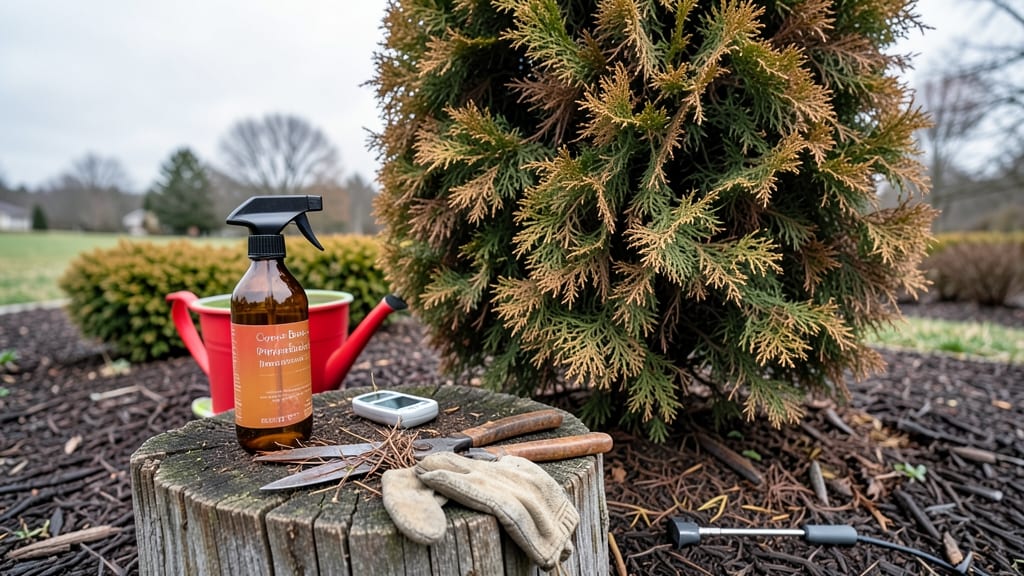
Your cypress tree turning brown treatment isn’t a lost cause—it’s a call for action. 🌲 I've nursed back three cypresses from brassy brown branches to vibrant green, and the first step is identifying whether you're dealing with fungal blight, environmental stress, or something else entirely.
The most common culprit is Seiridium canker, a fungal disease that thrives in wet conditions. But it could also be overwatering, poor drainage, or even pest damage mimicking disease symptoms. Don't panic—most cases respond well to targeted treatment once you know what you're dealing with.
Within 4-6 weeks of proper care, you'll see fresh green growth pushing through the brown. The key is a mix of pruning out infected branches, applying the right fungicide, and adjusting your watering routine to prevent future stress.
If your tree is large or symptoms persist beyond a month, it's time to call an arborist. But for most homeowners, this 3-step rescue plan gets results—no green thumb required, just attention to detail.
Root Causes Behind Browning
When your cypress tree starts turning brown, it’s rarely a random act of nature—it’s usually a cry for help from the tree itself. Understanding the why behind the discoloration is the first step to restoring its vibrant green health.
Below, we break down the most common culprits, backed by science, so you can diagnose the issue with confidence.
Cypress trees are tough, but they’re not drought-proof. When temperatures soar or rainfall dwindles, these evergreens can suffer from water stress, causing needles to turn brown and brittle. Here’s how it works:
- Moisture Deficit: Cypress trees rely on consistent water to maintain cellular turgor (the pressure that keeps cells firm). Without enough water, cells collapse, leading to browning—especially on the tips and edges of foliage.
- Transpiration Overload: Hot, dry air forces the tree to lose water faster than its roots can absorb it. This creates a physiological drought, even if the soil seems moist.
- Root Zone Issues: If the topsoil dries out while deeper roots remain hydrated, the tree struggles to access water efficiently. This is common in sandy or rocky soils.
💡 Pro Tip: Check the soil 2-3 inches deep—if it’s dry, your tree is thirsty. Mulching (2-4 inches of organic material) helps retain moisture and regulate soil temperature.
Fungal blights, like Seiridium canker or Phytophthora root rot, are the #1 reason cypress trees turn brown. These pathogens thrive in warm, humid conditions and attack weakened trees. Here’s how they strike:
- Canker Formation: Fungi like Seiridium cardinale enter through wounds (pruning cuts, storm damage) and create sunken, discolored lesions on branches. As the fungus spreads, it blocks water and nutrient flow, causing browning.
- Root Rot: Phytophthora fungi thrive in waterlogged soil, rotting roots and restricting water uptake. Brown needles appear first on the lower branches, then spread upward.
- Needle Blight: Fungal spores (e.g., Mycosphaerella) infect needles, causing them to turn brown and drop prematurely. This often starts in the inner canopy, where humidity is highest.
🔍 Watch For:
Symptom
Likely Culprit
Brown, brittle needles starting at branch tips
Drought stress or fungal blight
Sunken, oozing cankers on branches
Seiridium canker
Yellowing lower needles + mushy roots
Phytophthora root rot
Cypress trees prefer acidic, well-draining soil with a pH between 5.0 and 7.0. When soil conditions go awry, nutrient deficiencies or toxicity can trigger browning. Common offenders:
- Compacted Soil: Heavy foot traffic, construction, or clay soil restricts root growth, limiting water and oxygen access. Roots suffocate, leading to nutrient starvation and browning.
- Nutrient Deficiencies:
- Iron (Fe) Chlorosis: Yellowing between leaf veins (but not full browning) signals low iron, common in alkaline soils.
- Nitrogen (N) Deficiency: Older needles turn brown first, as the tree prioritizes new growth.
- Salt or Chemical Buildup: Over-fertilization, road salt runoff, or hard water deposits can burn roots, causing browning from the bottom up.
🌡️ Test Your Soil: A simple home pH test kit (or lab analysis) can reveal imbalances. Amending soil with sulfur (to lower pH) or organic matter (compost) often fixes the issue.
Cypress trees heal slowly, and any physical trauma creates entry points for pests and diseases. Common damage sources:
- Improper Pruning: Cutting too close to the trunk or making jagged cuts exposes the tree to bacterial or fungal infections. Brown needles near pruning sites often signal infection.
- Mechanical Injury: Lawnmower blades, string trimmers, or even animals rubbing against the bark can strip protective layers, leading to browning.
- Herbicide Drift: Non-selective herbicides (like glyphosate) can drift onto cypress trees, causing brown, crispy needles within days.
✨ Prevention Tip: Always prune during dormant seasons (late winter/early spring) with clean, sharp tools. Seal large wounds with pruning sealant to prevent infection.
Now that you know the why, the next step is action. Stay tuned for our 3-step treatment plan to revive your cypress tree’s lush green glory!
Revive Your Cypress Tree Naturally
Now that you know the likely causes behind your cypress tree’s brown discoloration—whether it’s fungal blight, environmental stress, or poor watering habits—it’s time to take action. The good news?
Most issues are fixable with the right steps. Below, we’ll break down practical solutions tailored to each problem, plus tips to keep your tree thriving long-term.
If brown spots, leaf drop, or cankers are the culprit, act fast to stop the spread.
🔥 Remove Infected Areas
- Trim dead or dying branches at least 6–12 inches below the affected area using sterilized pruners (wipe with rubbing alcohol between cuts).
- Dispose of infected branches in a sealed bag—do not compost them to prevent reinfection.
- Avoid pruning during wet weather to reduce spore spread.
🍳 Apply Fungicide
- Copper-based fungicides (like copper sulfate or copper hydroxide) are effective against fungal blight.
- Neem oil (a natural fungicide) can also help—mix 1 tbsp per gallon of water and spray thoroughly on both sides of leaves.
- Reapply every 7–14 days until new growth appears.
🌡️ Improve Air Circulation
- Thin out dense foliage to allow sunlight and air to reach the center of the tree.
- Space trees at least 10–15 feet apart if replanting to prevent future outbreaks.
Overwatering or poor drainage can lead to root rot and nutrient deficiencies, causing browning.
👨🍳 Adjust Your Watering Routine
- Check soil moisture before watering—stick your finger 2–3 inches deep.
If dry, water deeply; if soggy, hold off. - Water at the base (not overhead) to reduce fungal risk and encourage deep root growth. - Install a French drain if your yard has poor drainage—cypress trees hate wet feet.
🥗 Amend the Soil
- Test your soil’s pH (ideal for cypress: 5.0–7.0). If too alkaline, add sulfur or peat moss.
- Add organic matter like compost or pine bark to improve drainage and nutrient retention.
- Avoid heavy fertilizers—cypress trees prefer low-nitrogen, high-iron soil.
Use a slow-release, acidic fertilizer in early spring.
Heat, drought, or salt buildup can turn leaves brown—especially in coastal or urban areas.
🌿 Provide Shade & Mulch
- Install shade cloth (30–50% coverage) if your tree is in full sun during extreme heat.
- Apply 2–3 inches of mulch (wood chips or pine straw) around the base, keeping it 6 inches away from the trunk to retain moisture.
🚿 Flush Salt & Chemicals
- If your tree is near a road or treated with de-icing salt, deep-water the root zone to leach out excess salt.
- Avoid herbicides near the base—cypress trees are sensitive to chemical drift.
🎯 Prevent Future Damage
- Water deeply 1–2 times per week during droughts (not daily shallow watering).
- Prune in late winter/early spring to encourage new, healthy growth before summer stress sets in.
- Monitor for pests (like spider mites or scale) that weaken trees—use insecticidal soap if needed.
- Avoid over-pruning—cypress trees rely on older needles for photosynthesis; remove no more than 25% of foliage at once.
- Consider a soil probe to check for compacted soil—loosen roots gently if drainage is poor.
By tackling the root cause—whether it’s fungus, water issues, or environmental stress—your cypress tree can bounce back with vibrant green needles in just a few months. Start with one or two fixes, monitor progress, and adjust as needed.
Your tree’s got a fighting chance—let’s get it back to its lush best! 🌿💚
Frequently asked questions
Why does my cypress tree turn brown in patches rather than all at once?
Patchy browning usually signals fungal infection like Seiridium canker or needle blight. Fungi spread through wounds or dense foliage, creating isolated brown spots. Check for sunken cankers or brittle needles—these are classic signs. The good news? Targeted pruning and fungicide can stop the spread before it becomes widespread.
Can I save a cypress tree if half the branches are already brown?
Yes, but act fast! First, remove all infected branches (6-12 inches below browning). Then apply copper fungicide every 2 weeks. Healthy cypress trees are resilient—if the roots are strong and you catch it early, new growth will emerge within 4-6 weeks. Monitor for pests too, as they exploit weakened trees.
How often should I water a cypress tree to prevent browning?
Water deeply 1-2 times per week during dry spells, but never let soil stay soggy. Cypress trees hate "wet feet"—overwatering causes root rot, which triggers browning from the bottom up. Test soil moisture 2-3 inches deep: if dry, water; if damp, wait. Mulch helps retain moisture without over-saturating.
Will pruning help my brown cypress tree recover?
Prune only dead/dying branches (never more than 25% of foliage at once). Use sterilized tools and cut 6-12 inches below browning to remove infected tissue. Avoid pruning during wet weather—this spreads fungal spores. Seal large wounds with pruning sealant to prevent new infections.
Is there a natural remedy for cypress browning besides chemical fungicides?
Yes! Mix 1 tbsp neem oil with 1 quart water and spray foliage (both sides) every 7-10 days. Neem oil disrupts fungal spores naturally. For soil issues, add compost or pine bark to improve drainage. Avoid heavy fertilizers—cypress trees prefer low-nitrogen, acidic soil. Test soil pH first (ideal: 5.0-7.0).