
Container Gardens
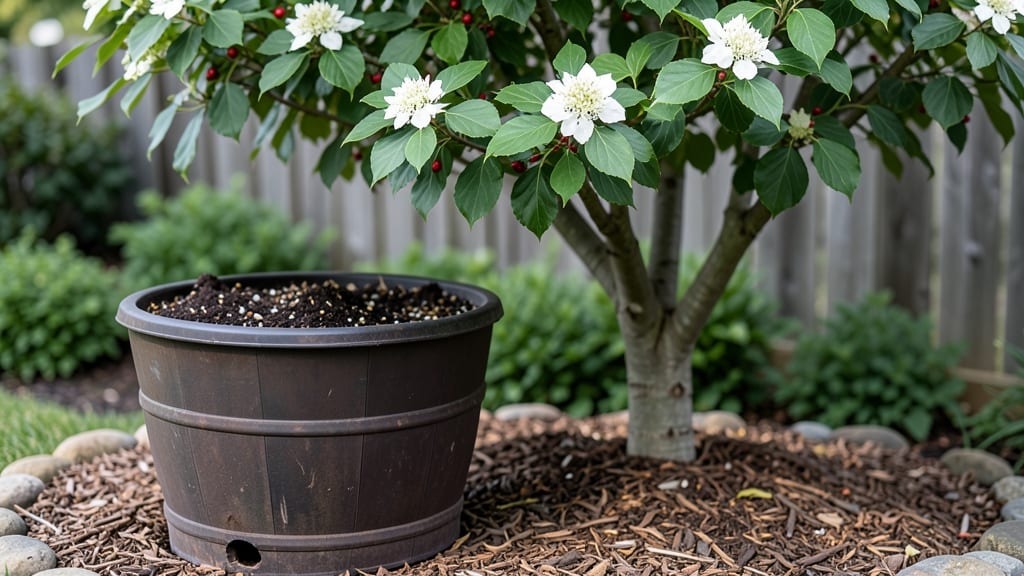
Growing a dogwood tree in a container turns your patio into a springtime showstopper with its delicate blooms and glossy leaves. 🌸 I’ve learned the hard way that most people underestimate how much space and care these trees need—yet with the right setup, they thrive for years.
The secret lies in matching container size to root growth and mimicking their natural woodland soil preferences.
Start with a 5-gallon minimum container (7+ gallons for mature trees) made of glazed ceramic or heavy plastic—both retain moisture while allowing drainage.
Fill the bottom third with gravel or expanded shale to prevent soggy roots, then use a well-draining potting mix mixed with 30% perlite or orchid bark for aeration. Dogwoods hate wet feet, so if you see yellowing leaves, check the soil first.
Place your container where it gets morning sun and afternoon shade, especially in hotter zones. Water deeply when the top inch feels dry, and fertilize lightly every 4-6 weeks with a balanced 10-10-10 formula during growing season.
Prune only to remove dead branches—never to shape—since dogwoods bloom on old wood. With these basics, you’ll enjoy 5-7 years of reliable blooms in a single container.
Winter care is the real game-changer: move containers to a protected spot or wrap them in burlap if temperatures dip below 10°F. Root binding becomes a problem after 3-4 years, so plan to repot or divide every spring.
Patience pays off—my container dogwood now outshines half the yard, and it’s only 4 feet tall.
📚 In This Guide
- What you need
- Instructions
- Tips and common mistakes
- Wrapping up and next steps
What you need
- ● Container: A large, sturdy pot (at least 18-24 inches in diameter and 18 inches deep) with drainage holes. Terracotta or fiberglass works best for heat retention.
- ● Dogwood Tree: A dwarf or semi-dwarf variety (e.g., Cornus florida 'Cherokee Brave' or 'Rutledge') for container suitability. Check local nurseries for 3-5 gallon potted saplings.
- ● High-Quality Potting Mix: A well-draining blend (e.g., 50% peat moss, 30% perlite, 20% compost). Avoid garden soil—it compacts and suffocates roots!
- ● Drainage Layer: 3-4 inches of gravel, pumice, or ceramic shards to prevent root rot.
- ● Slow-Release Fertilizer: A balanced, organic fertilizer (e.g., 10-10-10 or 5-5-5) mixed into the soil at planting.
- ● Mulch: 2-3 inches of bark chips or pine straw to retain moisture and regulate temperature.
- ● Container Saucer: A tray or saucer to catch runoff and protect surfaces.
- ● Moisture Meter: To monitor soil hydration without overwatering.
- ● Support Stake: A lightweight bamboo or metal stake (if your dogwood needs temporary support as it grows).
- ● Epsom Salt: A spoonful mixed into water monthly for magnesium boosts (great for vibrant foliage!).
- ● Decorative Elements: Gravel, moss, or ornamental rocks to enhance aesthetics.
Step-by-step instructions for growing a dogwood tree in a container
Container-grown dogwoods thrive with the right balance of space, soil, and sunlight—here’s how to create the perfect small-space haven.
🪴 Step 1: Select the Right Container and Drainage
Choose a container at least 24 inches wide and deep—dogwood roots need room to spread without becoming root-bound. I opt for unglazed ceramic or high-quality plastic because they allow airflow and prevent overheating. Ensure the pot has multiple drainage holes (at least four) to prevent soggy roots, which dogwoods despise.
Place a 2-inch layer of gravel or broken pottery at the bottom before adding soil. This creates a reservoir for excess water while keeping roots elevated. If your container lacks drainage, drill holes yourself—just avoid sharp edges that could damage roots later. The goal is to mimic the tree’s natural, well-draining forest floor.
🌱 Step 2: Prepare the Soil Mix for Optimal Growth
Dogwoods prefer acidic, well-draining soil with a pH between 5.0 and 6.0. Mix equal parts high-quality potting soil, peat moss, and perlite to achieve the right texture. I avoid garden soil—it compacts in containers and suffocates roots. Add a slow-release acid-loving plant fertilizer (like 10-10-10) to the mix for a nutrient boost.
Fill the container to 2 inches below the rim, leaving space for watering. Press the soil gently but firmly—you want it loose enough for roots to penetrate but stable enough to support the tree. Tap the sides of the pot lightly to eliminate air pockets. The surface should feel slightly damp, like a wrung-out sponge.
☀️ Step 3: Plant and Position for Maximum Sunlight
Remove the dogwood from its nursery pot and loosen the roots if they’re circling. Plant it at the same depth it was in the nursery pot—burying the root flare (the swollen area at the base) too deep can strangle the tree. Place it in the center of the container and backfill with soil, pressing lightly to eliminate gaps.
Position your container in a spot with 6-8 hours of morning sun—dogwoods tolerate afternoon shade but need bright light to fuel their iconic blooms. A south- or east-facing patio works best. If your space is shadier, choose a dwarf cultivar like ‘Taylor’ or ‘Caramel Cup’—they adapt better to lower light but still need at least 4 hours of sun daily.
💧 Step 4: Water and Maintain Moisture Without Overdoing It
Water deeply immediately after planting until it drains from the bottom. Dogwoods hate soggy soil but also can’t handle drought—aim for consistently moist (not soggy) soil. Check moisture by sticking your finger 2 inches into the soil; if it feels dry, water again. In summer, you may need to water every 2-3 days, while winter care drops to once a week unless it’s unusually dry.
Mulch the surface with 2 inches of pine bark or shredded leaves to retain moisture and regulate temperature. Keep mulch 2 inches away from the trunk to prevent rot. Avoid synthetic mulches—they can trap too much heat. Over time, the mulch will break down, so refresh it annually in early spring.
✂️ Step 5: Prune and Fertilize for Long-Term Health
Prune in late winter or early spring before new growth appears. Remove dead, crossing, or inward-growing branches to improve airflow and shape. I use clean, sharp pruners to make cuts just outside the branch collar (the swollen area where the branch meets the trunk). Avoid heavy pruning—dogwoods respond poorly to drastic cuts, which can reduce flowering.
Fertilize twice a year: once in early spring (when buds swell) and again in mid-summer (after blooming). Use an acid-loving plant fertilizer at half-strength to avoid burning roots. If your dogwood’s leaves yellow, it may need iron supplements**—dogwoods are prone to chlorosis in alkaline soils. Test your soil annually and adjust pH if needed.
Tips & tricks for perfect container-grown dogwoods
Here's what nobody tells you about keeping container dogwoods thriving—these are the details that make all the difference in small-space gardening.
Container Size Matters: While the instructions specify a minimum 24-inch container, I've found that adding 2-4 inches of extra depth (up to 28 inches) gives roots more room to establish before they become root-bound. This is especially important for larger cultivars like 'Cherokee Brave'—their roots grow aggressively downward. If you're working with a smaller space, opt for dwarf varieties like 'Taylor' and stick to the 24-inch minimum, but monitor root growth closely by gently lifting the pot annually to check for circling roots.
Soil pH Precision: The ideal pH range of 5.0-6.0 is critical, but achieving it requires more than just mixing ingredients. I recommend testing your soil mix after combining equal parts potting soil, peat moss, and perlite—sometimes the peat moss alone can push the pH too low. If your mix tests below 5.0, add a small amount of dolomitic lime (about 1 teaspoon per gallon of mix) and remix. For alkaline soils, sulfur granules (½ teaspoon per gallon) help lower pH. This adjustment step prevents chlorosis (yellowing leaves) before it starts, which is particularly common in container-grown dogwoods.
Sunlight Strategy: The 6-8 hours of morning sun requirement can be tricky in urban settings with limited east-facing space. If you're working with afternoon shade, position your container where it captures reflected light—light-colored walls or nearby buildings can bounce valuable sunlight onto your dogwood. For truly low-light situations, supplement with a grow light (12-16 hours daily) during winter months when natural light diminishes. This light extension prevents the tree from entering dormancy prematurely, which is especially important for container-grown specimens that don't experience natural seasonal temperature drops.
Watering Wisdom: The 2-inch soil moisture check is your best friend, but timing matters just as much as technique. Water in the early morning to allow excess moisture to evaporate before evening, reducing fungal risks. I've seen dogwoods develop root rot from overnight watering despite proper drainage. For summer watering, consider using a moisture meter—these $10 tools give precise readings that eliminate guesswork. The goal is to maintain that "wrung-out sponge" consistency without letting the soil dry out completely between waterings, as dogwood roots are particularly sensitive to drought stress.
Pro Tips for Dogwood Tree In Container
- Here's what nobody tells you about keeping container dogwoods thriving—these are the details that make all the differ...
- Container Size Matters: While the instructions specify a minimum 24-inch container, I've found that adding 2-4 inches...
- Soil pH Precision: The ideal pH range of 5.0-6.0 is critical, but achieving it requires more than just mixing ingredi...
Frequently asked questions
Got questions about growing a dogwood tree in a container? You’re not alone—this elegant tree has unique needs! Here are answers to the most common queries to help you succeed with your small-space beauty.
How big should the container be for a dogwood tree?
A mature dogwood tree needs at least 18–24 inches in diameter and 2–3 feet deep to thrive. Smaller containers (under 12 inches) are fine for dwarf varieties, but root-bound trees struggle. Use a high-quality, well-draining potting mix and plan to upgrade the pot every 2–3 years as the tree grows.
When is the best time to plant a dogwood in a container?
Plant in early spring or fall when temperatures are mild (50–70°F). Avoid extreme heat or frost, which can stress the tree. If you must plant in summer, water deeply daily and provide afternoon shade to reduce transplant shock. Pro tip: Acclimate container-grown dogwoods gradually to outdoor conditions over 1–2 weeks before planting!
How often should I water a potted dogwood tree?
Water when the top 1–2 inches of soil feel dry (usually 2–3 times per week in summer, less in winter). Containers dry out faster than ground soil! Use a moisture meter or stick your finger in the soil to check. Drainage holes are a must—overwatering causes root rot. Mulch the top layer to retain moisture.
Can I grow a flowering dogwood in a container long-term?
Yes, but expect slower growth and smaller blooms compared to in-ground trees. Most dogwoods (like Cornus florida) max out at 6–10 feet tall in containers. For long-term success, prune annually to control size, fertilize lightly in spring, and rotate the pot every few months for even sunlight exposure.
Why are the leaves on my container dogwood turning yellow or brown?
Yellow leaves often signal overwatering or poor drainage, while brown edges may mean underwatering or sunburn. Check for:
- Root rot: Ensure the pot has drainage holes and the soil isn’t soggy.
- Nutrient deficiency: Feed with a balanced, slow-release fertilizer in early spring.
- Pests: Inspect for spider mites or scale insects on undersides of leaves.
- Too much sun: Dogwoods prefer partial shade (4–6 hours of sunlight daily).
Adjust care and monitor for improvement!
Wrapping up and next steps
Growing a dogwood tree in a container is a rewarding way to bring elegance and nature to small spaces—proving that even the most delicate beauties can thrive with the right care! 🌿 With the right sunny spot, well-draining soil, and a few thoughtful adjustments, your dogwood will flourish year after year.
Ready to transform your patio or balcony into a stunning mini-garden? Start by choosing your perfect container, then follow the steps above to create a nurturing home for your dogwood. Watch it bloom and enjoy the beauty of spring—one container at a time!