
Pruning
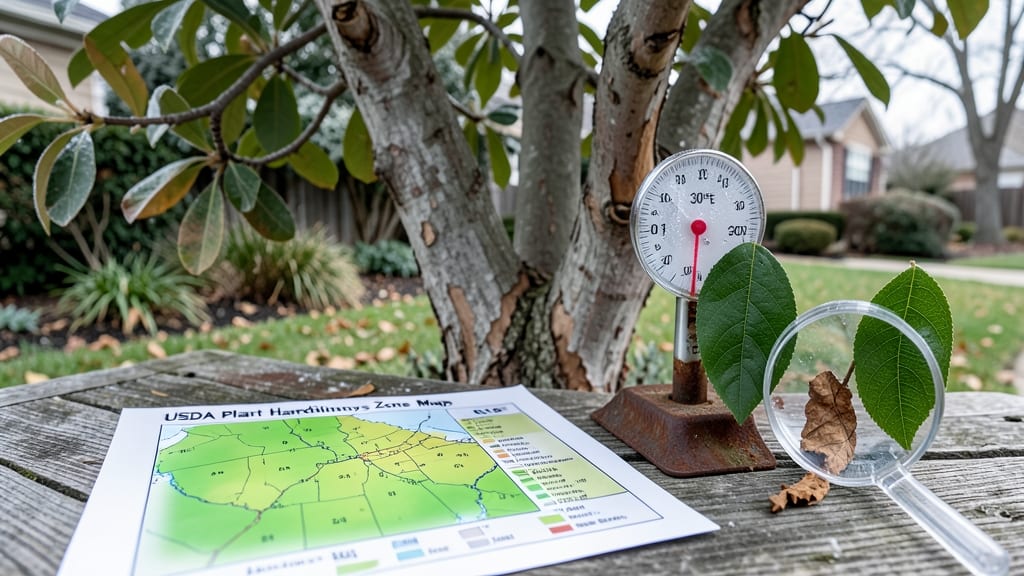
Guava tree cold hardiness means they grow best in USDA Zones 9-11, but with proper winter protection, they can handle short cold snaps in Zone 8. Temperatures below 25°F will damage leaves, flowers, and tender branches, while roots can survive slightly colder conditions.
Understanding how cold affects guava trees helps you plan better. 🌱 The key difference between Zone 8 and Zones 9-11 is the duration of cold exposure—brief dips below 25°F are survivable, but prolonged freezes will weaken the tree.
I've seen gardeners in Zone 8 use thick mulch layers and frost blankets to protect their trees during winter, which can make all the difference in spring recovery. For fruit production, protecting the branches is especially important since they're more sensitive to cold than the roots.
When preparing for winter, focus on insulating the soil and shielding the canopy. A 4-6 inch layer of mulch around the base helps regulate soil temperature, while wrapping the trunk with burlap or using frost cloth over the branches prevents severe damage.
Pruning back any frost-damaged growth in late winter gives the tree a stronger start once warmer weather returns.
💡 In This Article
- USDA Zones and Guava Tree Cold Tolerance Limits
- Protecting Guava Trees from Freezing Temperatures
USDA zones and guava tree cold tolerance limits
Guava trees (Psidium guajava) are tropical/subtropical plants with a clear cold sensitivity threshold. The 25°F mark isn't just a random number—it's the point where cellular damage begins in the leaves and flowers.
At this temperature, ice crystals form in the plant's vascular system, rupturing cell walls and blocking water transport. The roots, however, can tolerate slightly colder conditions down to 20°F for short periods, thanks to their deeper soil insulation.
In USDA Zone 9 (average minimum 20-25°F), guava trees can survive winter if the cold snaps are brief—typically 2-3 days below 25°F. Zone 10 (30-35°F) is ideal with minimal protection needed, while Zone 11 (40°F+) offers perfect conditions year-round.
The critical difference between Zone 8 (10-20°F) and Zone 9 is frost duration: a single night at 22°F might cause leaf scorch, but prolonged exposure weakens the entire tree structure.
Fruit-bearing branches are particularly vulnerable because their meristem tissue (growth points) lacks the protective bark of mature wood. When temperatures drop below 25°F for more than 12 hours, these branches often develop blackened, mushy patches where cells have died.
The rootstock, however, can regenerate from dormant buds if the roots remain undamaged—a key reason why mulching becomes so important in colder zones.
Here's a zone-by-zone breakdown of what to expect:
- Zone 9: Leaves may brown but tree survives if cold lasts 3 days below 25°F
- Zone 8: Branches die back significantly; requires heavy mulch and frost cloth
- Zone 10-11: Minimal winter care needed; focus on summer heat protection
What most gardeners don't realize is that guava trees can actually recover from 50% branch dieback if the roots stay healthy.
The tree prioritizes regrowing from dormant buds at the base of damaged branches—a process that becomes visible in late spring when new shoots emerge from the trunk or major limbs. This resilience explains why some Zone 8 growers succeed with aggressive winter protection.
The science behind this involves a process called "acclimation hardening." When guava trees experience gradual cooling in fall (rather than sudden freezes), they produce more protective sugars and antioxidants in their cells.
This natural mechanism is why gardeners in marginal zones should avoid sudden temperature drops—like moving potted guavas indoors too late in autumn, which shocks the system. 🌱