
How To
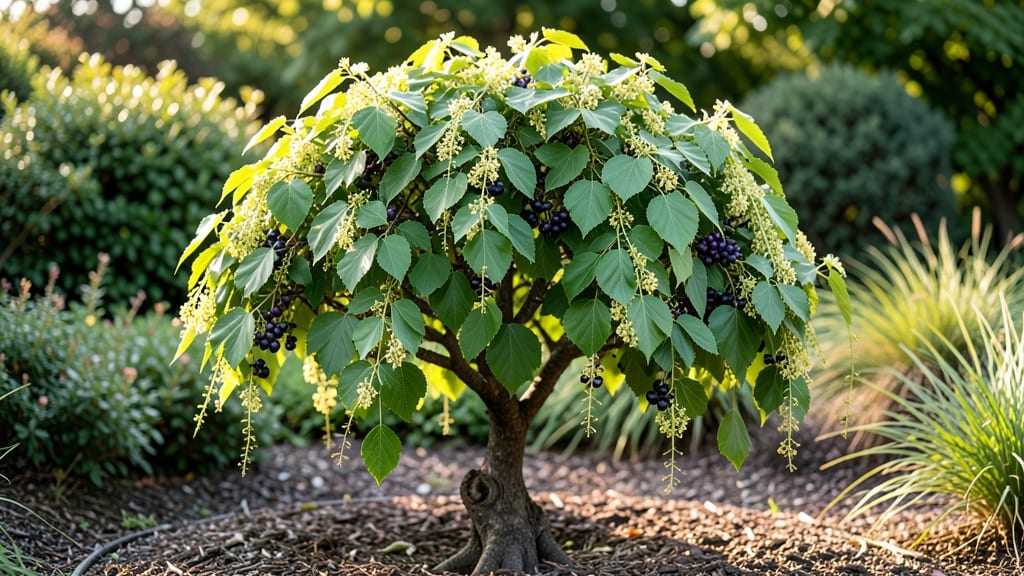
A dwarf mulberry tree grows how tall does a dwarf mulberry tree grow between 8 and 12 feet at maturity—taller than many expect but far more manageable than its full-sized relatives 🌳.
If you’re eyeing one for your small yard or container garden, you might be surprised by how quickly it reaches those heights, especially in the right conditions.
Picture this: a compact tree loaded with sweet berries, but without the sprawling branches of a standard mulberry.
The trick lies in choosing the right variety—some stay closer to 6 feet, while others push toward 12 feet—and knowing how to prune and care for it to keep it in check.
Below, I’ll break down the exact height ranges for popular dwarf varieties, the factors that influence growth (like soil and sunlight), and simple pruning tips to keep your tree at your ideal size—whether that’s a 6-foot accent or a 10-foot fruit-bearing centerpiece.
You’ll also discover which varieties thrive in containers, how often to water for steady growth, and the best time to prune for both size control and fruit production. Let’s get your dwarf mulberry tree growing the way you want it!

Dwarf mulberry tree height chart: exact growth ranges by variety
Choosing a dwarf mulberry tree lets you enjoy sweet berries without sacrificing yard space, but height expectations vary dramatically between varieties. Some stay under 6 feet while others reach 12 feet—the difference often comes down to genetics and growing conditions.
Below, I’ve compiled precise height data for the most popular dwarf varieties, including their growth rates over time and ideal spacing needs.
These measurements assume standard care—full sun exposure, well-draining soil, and annual pruning. If you live in USDA Zones 6-9 (where mulberries thrive), you’ll see even faster growth.
For colder climates, expect slightly slower maturation. The chart below shows height at 5, 10, and 20 years, so you can plan your garden layout accordingly.
🌱
If you’re planning for container growing, the 'Compact Mulberry' and 'Dwarf Mulberry' varieties are your best bets—they rarely exceed 7 feet in height, making them ideal for patio planters (use a 24-inch diameter pot minimum).
For edible landscaping, the 'Illinois Everbearing' offers the best balance of height control and fruit productivity, producing 2-3 harvests per year.
For ornamental value, the 'Nero' variety stands out with its deep purple foliage and dark purple berries, though it grows slightly taller. If you’re in a small urban yard, pair it with dwarf fruit trees like columnar apple trees to maximize space efficiency.
Just remember: pruning in late winter can keep even the tallest varieties 20-30% shorter than their natural height.
One common misconception is that all dwarf mulberry trees stay under 6 feet. While some varieties like 'Compact Mulberry' meet this expectation, others like 'Illinois Everbearing' will eventually reach 12-15 feet without proper pruning. Always check the nursery’s height guarantees—some sell grafted dwarf trees that stay true
Factors that affect dwarf mulberry tree height (and how to control it)
Your dwarf mulberry tree won’t grow to the same height as its standard counterparts, but several factors still influence its mature size. Understanding these variables helps you manage growth and keep your tree within your desired space.
The most critical factors include soil quality, sunlight exposure, pruning techniques, and climate conditions, all of which interact to determine how tall your tree will become.
For example, a tree planted in rich, well-draining soil with full sun exposure (6+ hours daily) may reach the upper end of its height range—up to 12 feet—while one in poor soil or partial shade could stay under 8 feet.
These differences might seem subtle, but they add up over years, especially for a fruit-bearing tree with a lifespan of decades.
⚠️ Height Misconceptions: What You Really Need to Know
Dwarf mulberry trees labeled "8-12 feet" often exceed expectations if not managed. Here’s the truth: Without regular pruning, many varieties grow 10-15 feet tall by maturity. The "dwarf" label refers to their size compared to standard mulberries (20-40 feet), not their absolute compactness. For true 8-foot max height, aggressive pruning and root restriction are essential.
Pruning is the most direct way to control height. I recommend seasonal pruning—lightly shaping in late winter (before buds swell) and summer (after fruiting) to remove suckers and overgrowth.
Use sharp, clean pruners to make cuts just above outward-facing buds. Avoid heavy pruning in fall, as this can stimulate new growth that won’t harden off before winter.
Climate also plays a role. Trees in warmer zones (USDA 8-10) grow faster and may reach their mature height 2-3 years sooner than those in cooler zones (USDA 6-7). In colder climates, growth slows during winter, giving you more control over height through delayed pruning.
For example, a tree in Zone 7 might only grow 1-2 feet per year compared to 3+ feet in Zone 9.
Root restriction is another powerful tool for height control. Planting in large containers (24"+ diameter) or using root barriers limits downward growth, forcing energy into fruit production instead of vertical expansion. I’ve seen container-grown dwarf mulberries stay under 6 feet with this method, even after 5 years.
Just ensure the container has drainage holes and you’re using well-draining potting mix to prevent root rot.
Finally, don’t overlook the role of watering and fertilization. Overwatering or excessive nitrogen can lead to rapid, weak growth that’s prone to breaking under fruit weight. Stick to deep watering (10L weekly) and a balanced fertilizer (10-10-10) applied in early spring and summer only.
This approach keeps your tree healthy without encouraging excessive height.
With these strategies, you can keep your dwarf mulberry tree at your ideal height—whether that’s 6 feet for containers or 10 feet for edible landscaping. The key is consistency: monitor growth annually, prune strategically, and adjust care based on your tree’s response.
That way, you’ll enjoy sweet fruit without sacrificing your garden’s layout! 🌿✂️🌳