
How To
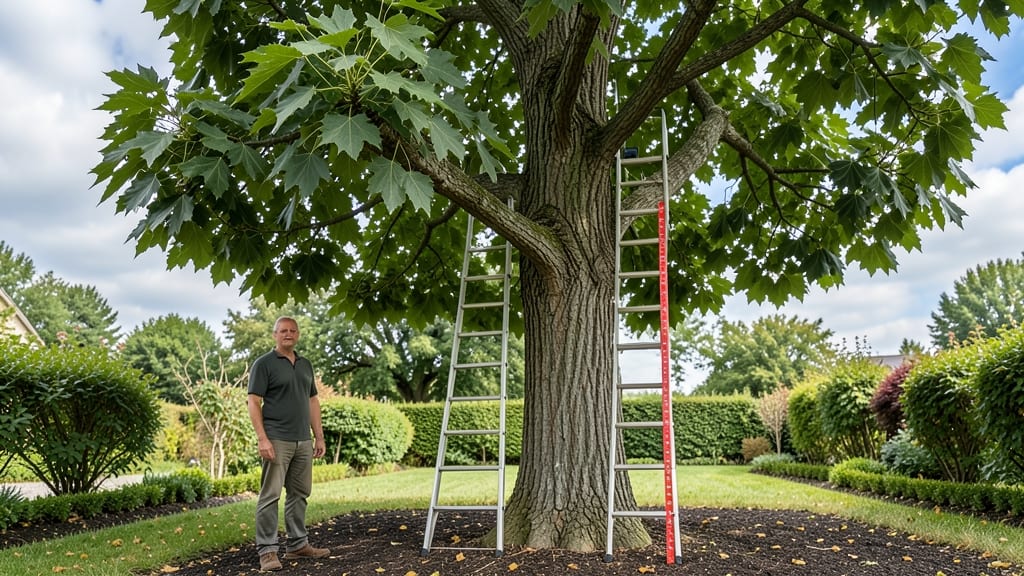
A mulberry tree grows to how tall does a mulberry tree grow, ranging from 15 feet to towering giants over 60 feet, depending on the variety and care you provide.
If you're dreaming of a mulberry tree in your backyard but worry about it towering over your house, you’re in the right place. Some varieties stay compact enough for small gardens, while others become the centerpiece of a large landscape.
The key is choosing the right type for your space and knowing how to manage its growth.
Most mulberry trees, like the common Morus alba, reach 30 to 60 feet at maturity, making them better suited for rural properties or parks. But dwarf varieties, such as 'Illinois Everbearing,' stay between 15 and 25 feet, perfect for urban yards or patios.
Pruning and grafting can also help control their size, ensuring they fit your vision without sacrificing fruit production.
In this guide, I’ll break down the height expectations for popular mulberry varieties, share tips for keeping them manageable, and help you decide which type is best for your garden—whether you want a shady canopy or just a few ripe berries to pick.

Mulberry tree height by variety: from dwarf to towering giants
Mulberry trees offer something for every garden size—whether you have a cozy backyard or sprawling acreage. Their height varies dramatically by variety, from dwarf types under 15 feet to giant specimens reaching 60 feet.
Understanding these differences helps you choose the perfect tree for your space and long-term care plan.
The Morus alba (white mulberry) and Morus nigra (black mulberry) are the most common species, but their height potential depends entirely on the specific cultivar. Some, like the 'Illinois Everbearing', stay manageable, while others grow aggressively without control. Let’s break down the height expectations for each category.
| Variety | Mature Height | Growth Rate | Best For |
|---|---|---|---|
| 'Illinois Everbearing' | 15–25 ft | 3–5 ft/year (young) | Small gardens, containers |
| 'Morus alba 'Red Sunset' | 20–30 ft | 4–6 ft/year (young) | Medium yards, urban landscapes |
| 'Morus nigra' (Black Mulberry) | 30–50 ft | 5–8 ft/year (young) | Large properties, rural areas |
| 'Morus alba' (Standard) | 40–60 ft | 6–10 ft/year (young) | Open landscapes, farmland |
| 'Morus rubra' (Red Mulberry) | 35–50 ft | 4–7 ft/year (young) | Wildlife habitats, wooded areas |
Dwarf varieties like 'Illinois Everbearing' are ideal for small urban gardens or even large containers. These trees mature between 15–25 feet and grow just 3–5 feet per year when young, making them perfect for patios or rooftop gardens. Their compact size also means less pruning and easier fruit harvesting.
Semi-dwarf types, such as 'Red Sunset', strike a balance with heights of 20–30 feet. They’re great for medium-sized yards or as focal points in suburban landscapes. These trees grow 4–6 feet annually in their early years, so they’ll fill out quickly but stay manageable with minimal effort.
Standard mulberry trees, including Morus alba and Morus nigra, are the tallest varieties, often reaching 40–60 feet at maturity. Their rapid growth rate of 6–10 feet per year means they’ll dominate any space if unchecked.
These are best suited for rural properties, farms, or large estates where height isn’t a concern.
Climate plays a surprising role in height. Mulberries in warmer USDA zones (8–10) grow faster and taller than those in cooler zones (5–7).
For example, a 'Morus nigra' in Florida might hit 50 feet by age 10, while the same tree in Zone 6 could max out at 35 feet. Always check your local climate’s impact on growth rates.
If you’re planting near power lines or structures, opt for dwarf or semi-dwarf varieties. Even then, maintain a 15-foot clearance from buildings and 20 feet from power lines to avoid future issues. Regular pruning can further control height, but some varieties (like 'Morus alba') are naturally more aggressive.
For fruit production, taller trees often yield more berries, but dwarf varieties compensate with earlier and more frequent harvests. If you’re growing mulberries for wildlife or shade, height is less critical—just ensure the tree has enough space to thrive without competing with other plants.
Pro tip: Grafting a dwarf rootstock onto a standard mulberry tree can limit its height while keeping its fruit quality. This technique is popular among home orchardists who want large yields without the space demands.
How to control mulberry tree height: pruning and grafting tips
Mulberry trees can grow 30 to 60 feet tall if left unchecked, but with the right techniques, you can keep them at a manageable 15 to 25 feet for small gardens.
The key lies in strategic pruning and grafting—two methods that give you control over height while maintaining fruit production. Let’s dive into how to tame your mulberry’s growth naturally.
Pruning is your first line of defense against towering mulberries. The best time to prune is late winter or early spring, just before new growth begins. This ensures you remove unwanted branches without harming the tree’s ability to fruit.
For height control, focus on removing suckers (shoots from the base) and water sprouts (vertical shoots). These aggressive growers can add 10+ feet in a single season if ignored.
Grafting is a more advanced but highly effective way to control height permanently. By attaching a dwarfing rootstock (like 'Chico' or 'Illinois Everbearing') to a wild mulberry seedling, you can limit mature height to 15 to 20 feet.
This method is ideal if you want a fruit-bearing tree that stays compact. The best time to graft is late winter or early spring, when the tree is still dormant but about to break dormancy.
For organic height control, consider root pruning—trenching around the root ball to limit nutrient uptake and slow vertical growth. This works best for established trees and should be done in early spring.
Combine this with regular pruning and mulching to keep your mulberry under control without chemicals. Remember, mulberries are resilient, so patience is key—expect 1-2 feet of growth per year even with management.
If you’re growing mulberries in a small urban garden, opt for container cultivation. Use a 20-gallon pot with drainage holes and prune aggressively to keep the tree under 8 feet tall.
Just be prepared to repot every 2-3 years as the roots outgrow the container. With these techniques, you can enjoy sweet mulberries without sacrificing your backyard space.
🌳