
How To
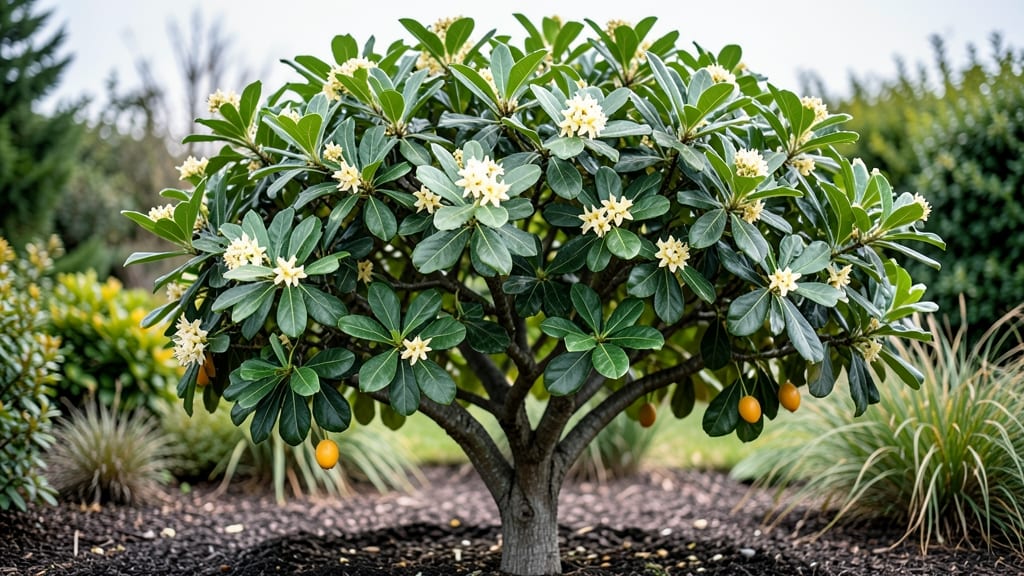
If you're wondering how tall does a loquat tree grow, it typically reaches 15 to 25 feet at maturity 🍊, making it a medium-sized tree that can fit in many backyards—but not all gardens.
If you're dreaming of growing loquats in your backyard but worried about space, understanding their mature height is key to planning your garden layout—some varieties stay compact while others reach surprising heights.
Standard loquat trees can tower like a small oak, but dwarf varieties top out around 8 to 12 feet, perfect for patios or urban yards. The right pruning and planting strategy can keep even full-sized trees manageable.
Below, I’ll break down height ranges by variety, how to control growth, and space-saving tips so you can enjoy loquats without sacrificing your garden’s layout.

Loquat tree height by variety: compact vs tall-growing types
Choosing the right loquat tree variety is essential for fitting one into your garden. Standard types can grow 20-25 feet tall, while dwarf varieties stay under 12 feet—a game-changer for small spaces.
The difference comes down to genetics, but even within varieties, proper care can influence height. Below, I’ll compare popular options so you can pick the perfect fit for your backyard.
For small gardens or containers, varieties like 'Champagne' and 'Mogami' are ideal, topping out at 8-12 feet with proper pruning. These compact types produce abundant fruit without overwhelming your space.
Meanwhile, larger varieties like 'Big Jim' and 'Gold Nugget' can reach 20+ feet, making them better suited for spacious yards or orchard settings.
The 'Champagne' variety is a top pick for container growing, staying under 12 feet even without pruning. Its rounded shape makes it perfect for patios or balconies, and it produces sweet, creamy fruit that’s ideal for fresh eating.
If you have a small yard, this variety lets you enjoy loquats without sacrificing space for other plants.
For those with larger properties, 'Big Jim' is a powerhouse, reaching 20-25 feet and producing heavy fruit loads. However, its size requires careful planning—place it near a fence or wall to contain its spread or invest in regular pruning to manage its height.
This variety thrives in full sun and well-draining soil, making it a great choice for USDA Zones 8-11.
If you’re torn between compact and standard varieties, consider 'Gold Nugget' as a middle ground. It grows 15-20 feet tall but has a denser canopy, making it easier to manage than taller types.
Its early ripening also means you can enjoy fruit sooner than later-maturing varieties like 'Big Jim'. For cold climates, 'Witchita' is a hardy option, staying 12-16 feet tall while tolerating cooler temperatures better than most.
When selecting a variety, think about your garden layout and how much maintenance you’re willing to commit to. Dwarf varieties require minimal pruning to stay compact, while taller types need regular structural pruning to control height and shape.
Always plant in well-draining soil with full sun exposure to encourage healthy growth, regardless of the variety you choose.
Pro tip: If you’re growing loquats in containers, opt for dwarf varieties and use large pots (20+ gallons) to support root growth. Repot every 2-3 years to prevent root-bound stress, which can stunt height and reduce fruit production.
With the right variety and care, you can enjoy loquats in even the smallest of spaces!
Factors that influence loquat tree height and growth habits
Understanding what influences your loquat tree's height helps you plan for its long-term growth. While genetics set the baseline, environmental factors like pruning practices, soil quality, and climate conditions can significantly alter how tall it becomes.
Even the choice between container vs ground planting plays a role in controlling vertical growth.
For example, a standard loquat tree can reach 20-25 feet in ideal conditions, but with strategic pruning and proper care, you can keep it much shorter. The key is balancing natural growth with intentional management to fit your space while maintaining fruit production.
- 1. Pruning Techniques: Regular structural pruning in late winter can reduce height by 30-50% over time. Focus on removing upward-growing branches and thinning out dense foliage.
- 2. Soil Conditions: Well-draining, fertile soil with a pH of 6.0-7.0 promotes faster growth. Compact or poor soil slows vertical expansion, keeping trees shorter.
- 3. Climate Zones: Trees in warmer climates (Zones 9-10) grow taller due to extended growing seasons. In cooler zones (6-8), growth slows, resulting in shorter mature heights.
- 4. Container vs Ground: Container-grown loquats stay 30-50% shorter than ground-planted trees due to root restriction. Use large pots (20+ gallons) for best results.
- 5. Water Availability: Consistent moisture fuels rapid growth, while drought stress limits height. Deep watering 2-3 times per week in dry climates encourages taller growth.
If you're growing loquats in containers, choose dwarf varieties like 'Champagne' or 'Mogami', which naturally stay under 12 feet. Even with these varieties, monitor root growth and repot every 2-3 years to prevent root-bound stress, which can stunt height.
For ground-planted trees, focus on annual pruning to shape growth early. Remove suckers at the base and thin out crowded branches to encourage a balanced canopy. This not only controls height but also improves air circulation, reducing disease risk.
Another critical factor is fertilization. Over-fertilizing with nitrogen promotes rapid vertical growth, while balanced NPK ratios (6-6-6) support healthier, more controlled growth. Apply fertilizer in early spring and summer, avoiding heavy doses in fall or winter.
Finally, consider your local climate. Loquats thrive in USDA Zones 8-11, but even within these zones, microclimates matter. Coastal areas with mild winters may see taller growth, while inland regions with hot summers can limit height due to stress.
Adjust care practices accordingly to keep your tree within your desired size range.