
Pruning
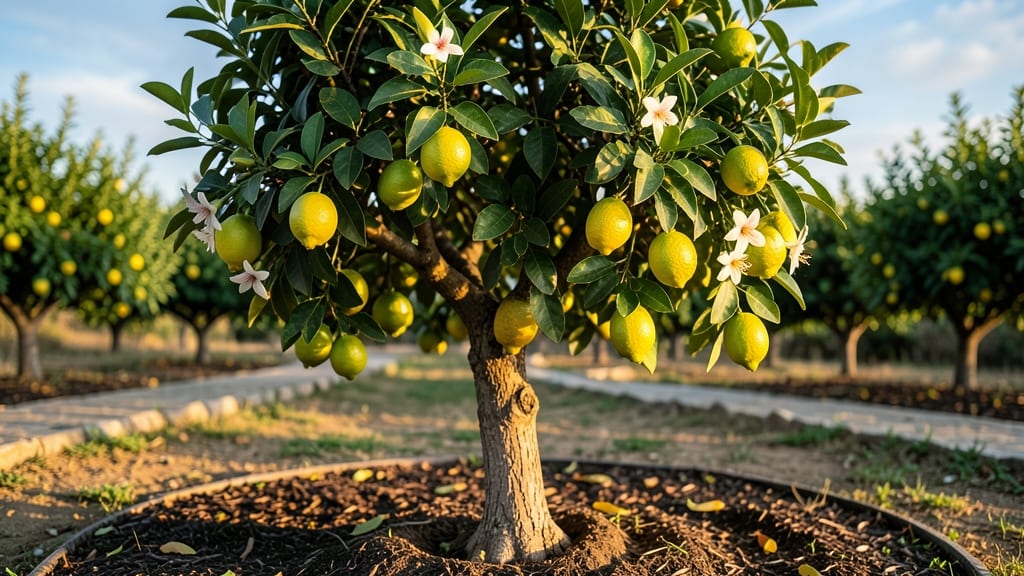
Your lemon tree’s survival hinges on maintaining the ideal lemon tree temp range—between 60°F and 85°F—any colder, and frost damage risks turning leaves to mush overnight; any hotter, and fruit quality takes a hit. 🌿 I learned this the hard way after my first winter, when a surprise freeze destroyed my tree’s foliage in a single night.
The key isn’t just avoiding extremes but understanding how your climate zone affects every season—from winter dormancy to summer heat stress.
Citrus trees thrive in USDA Zones 9–11, where they naturally handle mild winters and warm summers. Outside those zones? You’ll need to adapt: move potted trees indoors in winter, use frost cloths for young trees, or choose cold-hardy varieties like ‘Meyer’ lemons.
Even in ideal zones, afternoon shade in summer prevents sunburn on leaves and fruit, while consistent moisture keeps roots happy during heatwaves.
With the right adjustments, you’ll see bigger blooms, sweeter fruit, and fewer surprises—like my tree’s first harvest of juicy lemons in Zone 8 after winter protection.
The secret is monitoring temps year-round: a simple thermometer near the tree alerts you to danger zones before damage starts. Small tweaks make all the difference.
Whether you’re in a frost-prone zone or a scorching desert climate, this guide covers the exact steps to keep your lemon tree productive. Let’s get those branches laden with fruit, no matter where you live.
What Triggers Temperature Stress
Lemon trees are tropical or subtropical plants at heart, which means they thrive in warm climates but can suffer when temperatures swing outside their ideal range. Understanding why temperature stress occurs helps you take proactive steps to protect your tree. Here’s a breakdown of the key factors:
When temperatures consistently exceed 90°F (32°C), lemon trees experience heat stress, which disrupts their metabolic processes. Here’s how it happens:
- Photosynthesis slowdown: High heat causes stomata (leaf pores) to close to conserve water, reducing CO₂ intake and slowing sugar production. This leads to stunted growth and smaller, bitter fruit.
- Protein denaturation: Enzymes and proteins in the tree’s cells break down above 104°F (40°C), impairing functions like nutrient absorption and energy storage.
- Water loss acceleration: Evaporation rates skyrocket, forcing the tree to expend more energy to retain moisture. Without adequate hydration, leaves scorch (brown edges) or drop prematurely.
💡 Pro Tip: If your region hits prolonged heatwaves, provide afternoon shade with lightweight shade cloth (30-50% blockage) and deep watering at soil level (not overhead) to reduce stress.
Lemon trees are sensitive to frost, with most varieties suffering damage below 28°F (-2°C). Cold stress occurs through:
- Cell membrane rupture: Ice crystals form in plant tissues, piercing cell walls and leaking vital fluids. This causes blackened leaves, bark splitting, and dieback.
- Metabolic shutdown: Cold temperatures halt enzyme activity, stopping photosynthesis and respiration. The tree can’t produce energy, leading to weak regrowth in spring.
- Root zone freezing: Even if the air is above freezing, soil temperatures can drop below 32°F (0°C), cutting off water and nutrient uptake. Roots may rot or become non-functional.
✨ Actionable Fix: If frost is forecasted, wrap the tree trunk with burlap or frost cloth and use string lights or a space heater (safely placed) to create a microclimate. Mulch the base with 4–6 inches of straw to insulate roots.
Lemon trees struggle with diurnal swings (large day-to-night temperature differences), especially in desert or high-altitude climates. The issue stems from:
- Thermal shock to leaves: Sudden drops (e.g., 95°F/35°C days to 50°F/10°C nights) cause water vapor to condense inside leaf tissues, leading to edema (blistered or glossy leaves) or cold damage.
- Root stress mismatch: Warm soil by day and cold by night disrupts the tree’s ability to regulate moisture uptake, increasing susceptibility to fungal diseases like Phytophthora.
- Hormonal imbalance: Fluctuations confuse the tree’s growth hormones (e.g., auxins and gibberellins), resulting in erratic flowering or fruit drop.
🎯 Solution: Choose a microclimate with stable temperatures (e.g., near a south-facing wall or under eaves). In containers, move pots to a sheltered spot during cold nights.
High humidity combined with heat or cold creates a double threat:
| Scenario | Why It Harms the Tree |
|---|---|
| Hot + Humid (>85°F/30°C + 70%+ humidity) | Traps heat near leaves, increasing transpiration stress and inviting fungal diseases like Alternaria (black spots). |
| Cold + Humid (<40°F/4°C + damp air) | Slows evaporation but promotes bacterial leaf spot or Botrytis (gray mold), as pathogens thrive in stagnant moisture. |
🔥 Fix: Improve air circulation with a small fan (set to low) during heatwaves or prune to open the canopy. In humid cold snaps, use drip irrigation at soil level to avoid wetting foliage.
Adjusting Your Lemon Tree’s Climate
Keeping your lemon tree happy in the right temperature range isn’t just about survival—it’s about thriving and producing those juicy, zesty fruits year-round. Whether you’re dealing with frostbite, heat stress, or inconsistent growth, these targeted fixes will help you restore balance and prevent future struggles.
Below, we’ve mapped out common temperature-related issues and their practical solutions, complete with prevention tips to keep your citrus tree in peak condition.
Problem: Temperatures dip below 28°F (-2°C), causing leaf browning, bark splitting, or even death.
🔥 Immediate Fix: Emergency Frost Shield
- 🍳 Cover the Tree: Use a frost cloth, old blankets, or burlap to wrap the tree loosely (avoid tight fits).
Secure with clips or stakes to prevent wind damage. - 👨🍳 Add Insulation: Place cardboard boxes or foam boards around the base to shield roots from cold ground temperatures. - 🥘 Move Potted Trees: If your lemon tree is in a container, roll it into a garage, shed, or covered patio overnight.
⏰ Long-Term Prevention:
- 🌡️ Choose Cold-Hardy Varieties: Opt for ‘Meyer’ lemons (tolerate down to 20°F/-7°C) or ‘Ponderosa’ (hardier than standard Eureka or Lisbon).
- 🎯 Plant Strategically: Locate your tree near a south-facing wall or heat-retaining brick/masonry to absorb and radiate warmth.
- ✨ Mulch Heavily: Apply 4–6 inches of organic mulch (straw, wood chips) around the base to insulate roots.
Problem: Temperatures exceed 95°F (35°C), leading to wilting, sunburn (white/yellow patches), or fruit drop.
🍳 Shade & Hydration Boost
- 👨🍳 Provide Afternoon Shade: Use shade cloth (30–50%) or lightweight row covers during peak sun (12 PM–4 PM).
- 🥘 Deep Watering: Soak the soil 1–2 feet deep every 2–3 days (morning watering prevents evaporation).
Use drip irrigation for efficiency. - 🔪 Trim Strategic Branches: Prune sparse, leggy growth to reduce leaf surface area exposed to scorching sun.
⏰ Long-Term Heat Adaptation:
- 💡 Elevate Containers: If potted, place trees on brick stands or raised beds to improve airflow and reduce heat absorption.
- 🌡️ Use Reflective Mulch: Try white gravel or aluminum foil-lined mulch to reflect sunlight away from roots.
- 🎯 Monitor Humidity: In arid climates, mist leaves early morning or install a small fountain nearby to increase ambient moisture.
Problem: Sudden temp drops or gusty winds (below 50°F/10°C or above 85°F/29°C) stress the tree, causing stunted growth or blossom failure.
🔥 Windbreak & Buffer Zones
- 🍳 Install a Windbreak: Plant fast-growing evergreens (like arborvitae) or use temporary fencing with netting to block harsh winds.
- 👨🍳 Group Plants Together: Cluster lemon trees with other heat-loving plants (olives, rosemary) to create a microclimate that moderates temperature swings.
⏰ Prevention Tips:
- 🌡️ Avoid Low Spots: Never plant in frost pockets or cold air sinks (e.g., valleys or depressions).
- 🎯 Use Greenhouses or Cold Frames: For extreme climates, grow young trees in polytunnels or hoop houses during winter.
- ✨ Acclimate Gradually: If moving a potted tree outdoors, harden it off over 7–10 days to avoid shock from temp changes.
Even with fixes in place, consistency is key. Here’s how to keep your lemon tree in its optimal 60–85°F (15–29°C) sweet spot:
| Season | Focus Area | Action Steps |
|---|---|---|
| Spring | Revitalization | Prune dead wood, fertilize with citrus-specific feed, and watch for late frosts. |
| Summer | Heat & Pest Control | Mulch deeply, check for aphids/spider mites, and harvest regularly to encourage new growth. |
| Fall | Pre-Winter Prep | Reduce watering, apply winter mulch, and cover young trees before first frost. |
| Winter | Dormancy Support | Minimize pruning (wait until spring), and protect from icy winds. |
💡 Pro Tip: Invest in a soil thermometer to monitor root-zone temps—roots prefer 60–70°F (15–21°C) even if leaves tolerate higher temps!
By addressing temperature stress proactively, your lemon tree will reward you with lush foliage, abundant blooms, and a bountiful harvest—no matter your climate zone. 🍋✨
Frequently asked questions about lemon tree temperature needs
What’s the safest temperature range for my lemon tree?
Your lemon tree thrives between 60°F and 85°F—this is its "sweet spot" for growth and fruiting. Below 50°F, it risks cold damage, while above 90°F, heat stress becomes a concern. Most varieties struggle below 28°F (frost damage) or above 104°F (protein breakdown).
Can I grow lemon trees in cold climates like Zone 5?
Yes, but you’ll need to adapt! Standard varieties won’t survive below 20°F, but Meyer lemons handle 20°F/-7°C with protection. For Zone 5, grow in large pots and move indoors during winter, or plant in microclimates near south-facing walls with heavy mulch (4–6 inches).
Why do my lemon tree’s leaves turn yellow in summer?
Yellow leaves in summer usually mean heat stress or overwatering. Check soil moisture—lemon trees need 1–2 inches of water weekly but hate soggy roots. Also, provide afternoon shade (30–50% shade cloth) if temps exceed 90°F. Brown edges? That’s sunburn—trim affected leaves and water deeply at soil level.
How do I protect my lemon tree from frost?
For sudden freezes, act fast! Wrap the tree in frost cloth or burlap, cover the base with cardboard boxes, and use a space heater (safely placed) to create warmth. Potted trees? Move them to a garage or covered patio. Long-term, plant near heat-retaining walls or use drip irrigation to keep roots slightly warmer.
Do lemon trees need different temps for flowering vs. fruiting?
Yes! For best blooms, keep temps between 65°F–75°F—too hot (90°F+) or cold (50°F–) can cause blossom drop. Once fruit sets, maintain 60°F–85°F consistently. Extreme heat (95°F+) makes fruit bitter, while cold snaps (40°F–) stunt development. Monitor temps closely during these stages!