
Pruning
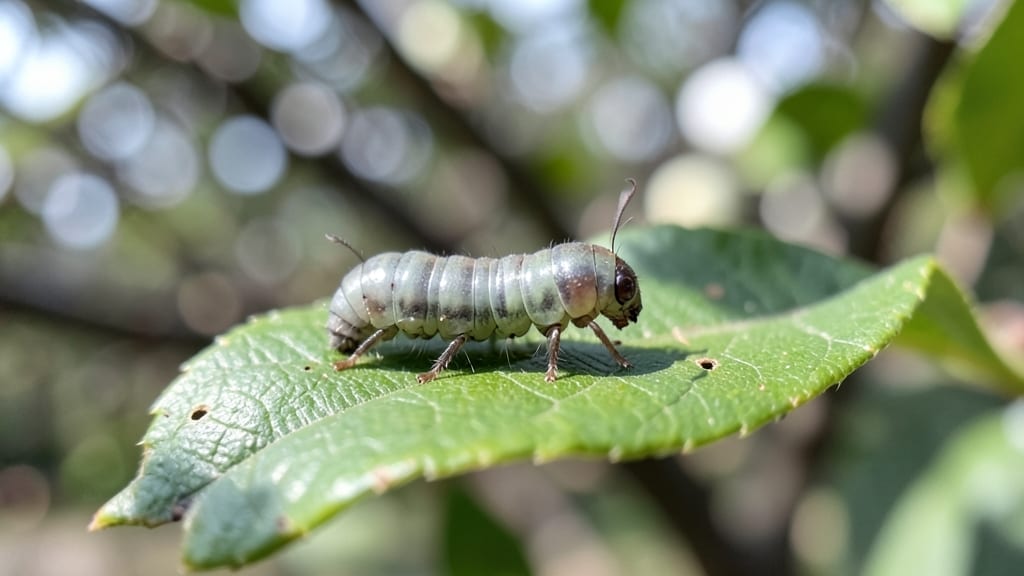
Spotting plum tree bugs with these pictures shouldn’t be a guessing game. 🌿 The right identification can save your harvest before those tiny invaders turn your fruit into a buffet.
I’ve seen firsthand how quickly a few overlooked pests can defoliate a tree or ruin a season’s crop—so knowing what to look for is half the battle.
This guide gives you 10 clear visual examples of the worst offenders, from sap-sucking aphids to voracious Japanese beetles. Each comes with damage clues—think curled leaves, sticky residue, or holes in fruit—so you’ll spot them early.
Prevention is easier than rescue, and I’ll show you the simplest ways to keep them away without harsh chemicals.
By the end, you’ll recognize these pests in seconds and act fast. No more guessing whether those tiny black dots are harmless or heading for a full-blown infestation. Your plum tree’s future depends on catching them early—and these pictures make it foolproof.
Whether you’re dealing with a sudden outbreak or just want to stay ahead, this is your first line of defense. Let’s get those pests identified before they take over.
Root Causes Of Plum Tree Bugs
Understanding why bugs infest plum trees starts with recognizing their natural triggers. These pests rarely attack randomly—they’re drawn by specific conditions that make your tree an all-you-can-eat buffet.
Below, we break down the key reasons these critters show up, so you can address the root of the problem (not just the symptoms).
Plum trees, like all plants, have built-in defenses against pests. But when these defenses weaken, bugs move in like uninvited guests at a party. Here’s why it happens:
- Nutrient Deficiencies 🌿 Trees deprived of essential nutrients (like nitrogen, phosphorus, or potassium) grow weak, producing softer leaves and stems—perfect for pests to munch on. For example, aphids and scale insects target stressed trees because their reduced sap quality makes them easier to feed on.
- Water Stress 💧 Overwatering or drought can both stress plum trees. Root-knot nematodes thrive in soggy soil, while Japanese beetles prefer trees under drought stress because their reduced tannin levels make leaves more palatable.
- Disease Damage 🦠 Fungal infections (like brown rot or powdery mildew) create entry points for secondary pests. For instance, borers exploit weakened wood, while spider mites flourish on trees already struggling with fungal stress.
Actionable Fix: Test your soil for nutrient levels and adjust fertilization. Ensure proper drainage to prevent waterlogged roots. Prune infected branches immediately to limit pest access.
Bugs don’t just land on trees—they’re attracted by environmental factors that make your plum tree a prime real estate choice. Here’s what’s luring them:
- Climate & Seasonality ☀️🌧️ Warm, humid summers create perfect conditions for plum curculio and fruit flies, while mild winters allow scale insects to survive longer. Some pests, like stink bugs, time their life cycles to coincide with plum fruit ripening.
- Shelter & Mulch 🏡🍂 Thick mulch or dense ground cover (like ivy or grass) provides hiding spots for earwigs and cutworms, which then migrate to nearby trees. Overgrown weeds near the base of your tree also harbor beneficial insects that pests prey on.
- Monoculture Plantings 🌳🌳 Planting multiple plum trees (or other stone fruits) in the same area creates a pest paradise. Aphids and mite populations explode when they have unlimited food sources nearby.
Actionable Fix:
- Space out fruit trees to break pest cycles.
- Keep mulch 3–4 inches away from the trunk to reduce moisture buys for soil-dwelling pests.
- Use row covers early in the season to disrupt pest life cycles.
Pests don’t act alone—they’re part of a complex ecosystem where one bug’s waste (or death) feeds another. Here’s how biology works against your tree:
- Predator-Prey Imbalances 🐞🕷️ If natural predators (like ladybugs or parasitic wasps) are missing, pests like mealybugs or whiteflies multiply unchecked. Pesticides can wipe out both pests and their predators, creating a vacuum that invites worse infestations.
- Pollinator Confusion 🐝🍇 Some pests, like hornworms, mimic beneficial insects (like bees) to avoid detection. Others, like fruit flies, are drawn to fermenting fruit—even if it’s not fully ripe—because they mistake it for overripe bait.
- Hitchhiking Pests 🚗🌳 Many bugs (such as emerald ash borers or gypsy moths) spread via wind, water, or human activity (e.g., firewood, nursery plants). Once established, they target stressed or young plum trees first.
Actionable Fix:
- Introduce beneficial insects (like lacewings or nematodes) to restore balance.
- Avoid broad-spectrum pesticides; opt for targeted treatments (e.g., horticultural oil for scale).
- Inspect new plants for pests before bringing them home.
Pro Tip: 💡 Early detection is key! Regularly scan your plum tree’s undersides of leaves, buds, and fruit—these are prime hiding spots for pests before they become a full-blown infestation.
Quick Fixes for Common Plum Tree Bugs
Plum trees are a garden’s pride—until pests crash the party! 🐛🍑 Whether you’re dealing with sap-sucking aphids, gnawing beetles, or leaf-munching caterpillars, acting fast is key. Below, we’ve mapped out practical, step-by-step solutions for the most troublesome bugs, plus prevention tips to keep your tree thriving.
No fancy tools or chemicals required—just smart, hands-on fixes.
Signs: Sticky leaves (honeydew), curled foliage, or tiny white/brown bumps on branches. Why it happens: These sap-suckers weaken trees by draining nutrients and spreading diseases.
How to Fix It: 🍳 1. Blast Them Off
- Method: Use a strong spray of water (40+ psi) from a hose to dislodge aphids and scale. Repeat every 3–4 days for 2 weeks.
- Pro Tip: 💡 Do this early morning—bugs are sluggish and easier to knock off.
👨🍳 2.
Soap It Up (Natural Solution) - Mix 1 tbsp mild liquid soap (like Castile) + 1 quart water in a spray bottle. - Test on a small leaf first (some trees are sensitive!). - Spray directly on infested areas, focusing on undersides of leaves and stems. - Reapply every 5–7 days until pests vanish.
🔪 3. Introduce Beneficial Insects
- Ladybugs and lacewings love aphids. Buy them online or attract them with neem oil (spray lightly on leaves).
🌡️ Prevention:
- Prune heavily infested branches in late winter (before bugs wake up).
- Encourage predators by planting dill, fennel, or marigolds nearby.
Signs: Skeletons of leaves (just veins remain), chewed fruits, or iridescent green beetles. Why it happens: These beetles devour leaves, flowers, and fruit in days.
How to Fix It: ⏰ 1. Morning Handpicking (Best Time!)
- When: Before 10 AM, when beetles are sluggish.
- How: Drop them into soapy water (they drown instantly).
- Bonus: Wear gloves—their bodies can irritate skin!
🍳 2. DIY Beer Trap
- Bury a small cup (like a yogurt container) filled with beer near the tree.
- Beetles are drawn to the scent and drown—check and refresh every 2 days.
🔥 3. Neem Oil Barrier
- Mix 1 tbsp neem oil + 1 tsp dish soap + 1 quart water.
- Spray leaves and soil at dusk (avoids harming bees).
- Reapply after rain.
🎯 Prevention:
- Mulch with wood chips—beetles avoid laying eggs in thick mulch.
- Plant trap crops like roses or grapes to lure them away.
Signs: Tiny S-shaped holes in fruit, larvae inside plum pits, or adults chewing leaves. Why it happens: Adults lay eggs in flower buds, and larvae burrow into fruit.
How to Fix It: 🔪 1. Prune & Destroy Infested Fruit
- Remove all fallen plums and heavily damaged fruit from the ground.
- Burn or bag them—do not compost (larvae survive!).
🍳 2. Band the Trunk (Spring Trap)
- Wrap the trunk with sticky tree band (or aluminum foil) in early spring.
- Adults crawl up to lay eggs—they get stuck! Replace every 2 weeks.
🌡️ 3. Timing Sprays (If Needed)
- When: Pink bud stage (just before flowers open).
- What to use: Spinosad (organic) or kaolin clay (creates a barrier).
- Avoid spraying when bees are active!
✨ Prevention:
- Thin fruit early—overcrowded plums = more hiding spots for larvae.
- Plant near mint or tansy—these herbs repel curculios naturally.
Signs: Silk tents in tree branches, defoliation, or caterpillars crawling everywhere. Why it happens: These fuzzy bands strip trees bare in weeks.
How to Fix It: 🔥 1. Destroy the Tents (Day or Night)
- When: Early morning or evening (caterpillars are inside).
- How: Scrape tents into a bucket of soapy water or burn them (safely in a metal container).
- Repeat daily until no more tents appear.
👨🍳 2. Bt Spray (Safe & Effective)
- Bacillus thuringiensis (Bt) is a natural bacteria that kills caterpillars when eaten.
- Mix 1 tbsp Bt per gallon of water and spray directly on tents and leaves.
- Works in 24–48 hours—safe for pets and birds!
🌡️ Prevention:
- Prune out tents in winter (they’re easier to spot when dormant).
- Encourage birds (like chickadees) that eat caterpillar eggs.
Want to avoid bugs before they start?
Follow this simple routine: - Spring: Inspect trees for overwintering eggs (scrape off and destroy). - Summer: Mulch properly (3–4 inches) to deter pests. - Fall: Clean up debris (fallen fruit, leaves) to remove hiding spots. - Winter: Prune weak branches to improve airflow (bugs hate dry conditions).
Final Thought: Most plum tree bugs are manageable with early action—no need for harsh chemicals! 🌿 Start with water blasts, soap sprays, or handpicking, and your tree will bounce back stronger. Happy pruning! 🪓✨
Frequently asked questions
What are the most common bugs that attack plum trees?
Look for aphids (tiny green/black clusters), Japanese beetles (iridescent green with copper wings), plum curculio (small snout beetles), and tent caterpillars (silk tents in branches). These are the top 4 culprits that cause visible damage to leaves, fruit, and branches.
How can I tell if the bugs on my plum tree are harmful?
Check for damage signs: curled leaves (aphids), chewed fruit (beetles), S-shaped holes in plums (curculio), or silk tents (caterpillars). Beneficial bugs like ladybugs or lacewings won't cause visible harm—they're small, active, and help control pests.
Are there any bugs that actually help plum trees?
Ladybugs, lacewings, and parasitic wasps eat harmful pests like aphids and caterpillars. You can attract them by planting dill, fennel, or marigolds nearby or using neem oil lightly on leaves.
When is the best time to treat plum tree bugs?
Act early spring (before buds open) for overwintering pests, or late summer when new infestations appear. For caterpillars, treat at dusk when they're most active. Always apply treatments before pests cause major damage.
Can I use homemade sprays on my plum tree?
Yes! Try a soap spray (1 tbsp mild soap + 1 quart water) for aphids or a neem oil mix (1 tbsp oil + 1 tsp soap + 1 quart water) for beetles. Always test sprays on a small leaf first—some trees are sensitive. Reapply every 5-7 days until pests disappear.