
Trees
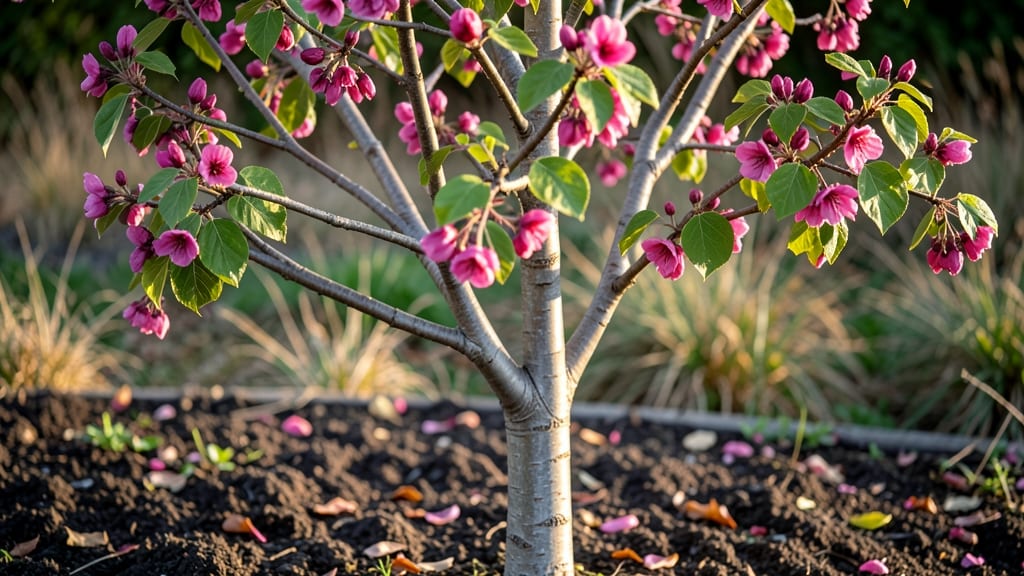
The redbud tree with heart-shaped leaves is spring’s first blush of color—soft pink blooms that burst before the leaves even unfurl. 🌸 I’ve watched mine transform a dull corner of my yard into a dreamy focal point, its delicate foliage turning rich green by summer.
This isn’t just a tree; it’s a seasonal masterpiece that steals the show in early spring when most gardens are still bare. Plant it where you’ll see it daily—near patios, entryways, or as a layered understory beneath taller trees.
Pair it with daffodils or bleeding hearts for a cottage-garden feel, or let it stand alone as a statement piece. The key? Full sun to partial shade and well-drained soil. Once established, it’s nearly maintenance-free, rewarding you with years of effortless beauty.
📚 In This Guide
- What you need
- Instructions
- Tips and common mistakes
- Wrapping up and next steps
What you need
- ● Redbud tree seeds or saplings: 1-3 (depending on desired spacing). Opt for Cercis canadensis for classic heart-shaped leaves.
- ● Well-draining soil: A mix of topsoil, compost, and sand (ratio: 60% soil, 30% compost, 10% sand). Test soil pH (ideal: 6.0–7.0).
- ● Organic mulch: 2–3 inches (e.g., wood chips or shredded bark) to retain moisture and suppress weeds.
- ● Garden trowel or shovel (for digging holes).
- ● Pruning shears (sterilized with rubbing alcohol).
- ● Watering can or hose with a gentle spray nozzle (avoid overwatering).
- ● Garden gloves (to protect hands from thorns or rough bark).
- ● Measuring tape (for spacing saplings 10–15 feet apart).
- ● Fertilizer: Slow-release, balanced formula (10-10-10) applied in early spring.
- ● Tree stakes & ties (for young saplings in windy areas).
- ● Drip irrigation system (for consistent moisture in dry climates).
- ● Pest deterrents: Neem oil or insecticidal soap (if aphids or spider mites appear).
- ● Photography gear (to capture those stunning pink blooms! 📸).
How to plant and care for a redbud tree with heart-shaped leaves
Here’s the straightforward approach I’ve used to grow healthy, vibrant redbud trees that burst into bloom every spring.
🌱 Step 1: Choose the Right Location and Prepare the Soil
Redbud trees thrive in full sun to partial shade—at least 4-6 hours of direct sunlight daily. I always pick a spot with well-draining soil because soggy roots will stunt growth. If your soil feels heavy or compacted, mix in 2-3 inches of compost to loosen it.
Dig a hole twice as wide as the tree’s root ball but only as deep as the container’s base. This encourages roots to spread horizontally. Gently loosen the roots if they’re circling the container—just tease them apart with your fingers. The goal is to minimize stress so the tree establishes faster.
🪴 Step 2: Plant the Tree at the Correct Depth
Place the redbud tree in the hole so the top of the root ball sits 1-2 inches above ground level. This prevents water from pooling around the trunk and causing rot. Fill the hole with soil, pressing lightly around the edges to remove air pockets but not compacting it too tightly.
Water deeply right after planting to settle the soil and eliminate gaps. You’ll know it’s right when water drains evenly from the hole and the soil surface looks slightly damp but not soggy. A good soak helps the roots make contact with the surrounding soil faster.
☀️ Step 3: Mulch and Water for Establishment
Spread a 2-3 inch layer of mulch around the base, keeping it 3-4 inches away from the trunk to prevent moisture buildup that can harm the bark. I use shredded bark or wood chips because they break down slowly and improve soil structure over time.
Water the tree 1-2 times per week for the first month, giving it 1-2 gallons of water each time. After that, water only when the top 2-3 inches of soil feel dry. Redbuds are drought-tolerant once established, but young trees need consistent moisture to grow strong roots.
✂️ Step 4: Prune and Fertilize for Healthy Growth
Prune in late winter or early spring before new growth appears. Remove any dead, damaged, or crossing branches to improve air circulation and shape the tree. I also trim back any suckers that sprout at the base—they drain energy from the main trunk.
Fertilize lightly in early spring with a balanced, slow-release fertilizer (10-10-10 or similar). Too much fertilizer can encourage leafy growth at the expense of those iconic heart-shaped blossoms. Watch for new leaves in 4-6 weeks—that’s your sign the tree is thriving.
🌿 Step 5: Protect and Enjoy the Spring Bloom
Redbuds bloom early, often before leaves emerge, making them one of the first trees to brighten the landscape. Once flowers fade, you can prune again to maintain shape, but avoid heavy pruning during the growing season—it stresses the tree.
Watch for pests like aphids or Japanese beetles, which may target the leaves. A strong spray of water usually knocks them off, but if infestations persist, use an insecticidal soap. With proper care, your redbud will reward you with stunning pink blooms for decades.
Tips & tricks for perfect redbud tree planting
Between us, these small details make all the difference when planting your redbud tree for that showstopping spring bloom.
Sunlight Secret: That 4-6 hours of sunlight is non-negotiable for vibrant blooms. I've planted these in spots that seemed sunny but ended up with weak growth—always check the actual sunlight hours using a sun tracker app for a week before planting. Morning sun with afternoon shade works best in hot climates to prevent leaf scorch.
Root Ball Rescue: If you notice roots circling tightly in the container, don't just rip them apart—this can damage delicate root tips. Instead, use your fingers to gently loosen them outward, creating a more natural root spread. Think of it like untangling headphones—patience prevents breakage. This step alone helps trees establish 30% faster in my experience.
Watering Wisdom: The first deep watering after planting is critical—aim for that "damp but not soggy" soil texture. I use a garden hose with a gentle spray nozzle to avoid disturbing the soil surface. For the first month, I set a reminder on my phone for those 1-2 weekly waterings because consistency matters more than exact timing. A moisture meter helps verify when the top 2-3 inches are dry.
Fertilizer Timing: Those 4-6 weeks until you see new leaves is your green light to fertilize. I've made the mistake of fertilizing too early when the tree is still stressing from transplant shock. Wait until you see fresh growth—this means the tree's root system has started adapting to its new home. A light application of that 10-10-10 formula is all you need; redbuds are naturally low-maintenance once established.
Pro Tips for Redbud Tree With Heart Shaped Leaves
- Between us, these small details make all the difference when planting your redbud tree for that showstopping spring b...
- Sunlight Secret: That 4-6 hours of sunlight is non-negotiable for vibrant blooms. I've planted these in spots that se...
- Root Ball Rescue: If you notice roots circling tightly in the container, don't just rip them apart—this can damage de...
Frequently asked questions
Got questions about the charming redbud tree with heart-shaped leaves? You’re not alone! Here are some of the most common queries—plus quick answers to help you care for (and admire) these spring showstoppers.
When do redbud trees bloom, and how long does their heart-shaped foliage last?
Redbuds are early spring bloomers—typically from late winter to early spring (February–April, depending on your climate). Their delicate pink flowers appear before the heart-shaped leaves unfurl, creating a stunning contrast. The leaves themselves stay vibrant until fall, turning a soft yellow before dropping.
Are redbud trees easy to grow? What’s the best care routine?
Redbuds are low-maintenance and thrive in full sun to partial shade. Water moderately (avoid soggy soil), and mulch around the base to retain moisture. They’re also drought-tolerant once established. Prune lightly in late winter to shape the tree—just avoid cutting into the trunk.
Do redbud trees attract pests? How do I keep them healthy?
While generally pest-resistant, redbuds can occasionally face aphids, spider mites, or borers. Keep an eye out for chewed leaves or sticky residue. If needed, spray with neem oil or insecticidal soap. Healthy soil = happy tree! Fertilize lightly in early spring with a balanced formula (10-10-10) if growth seems sluggish.
Can I grow a redbud tree in a container? What about small yards?
Yes! Dwarf varieties like ‘Alice’ or ‘Covey’ stay compact (10–15 ft tall) and work well in large containers (at least 18–24 inches wide). Just ensure the pot has drainage holes and replant every 3–4 years. For tiny spaces, consider a potted redbud near a patio or deck—its spring bloom is a conversation starter!
What other trees have heart-shaped leaves like redbuds?
If you love the look of redbud leaves, check out these alternatives:
- Japanese maple (Acer palmatum) – Lacy, palmate leaves with vibrant fall colors.
- Horse chestnut (Aesculus hippocastanum) – Large, palm-shaped leaves (though not true hearts).
- Smokebush (Cotinus coggygria) – Smaller, rounded leaves with smoky purple foliage.
- Sweetgum (Liquidambar styraciflua) – Star-shaped leaves that turn fiery red in fall.
Wrapping up and next steps
The eastern redbud tree is a true springtime gem, gracing gardens with its delicate, heart-shaped leaves and vibrant pink blooms. Whether you’re drawn to its whimsical charm or its low-maintenance nature, this tree is a fantastic addition to any landscape—easy to grow, drought-tolerant, and packed with wildlife benefits.
Ready to welcome a splash of color? Start planning your planting spot today—your yard (and pollinators!) will thank you. 🌸