
Pruning
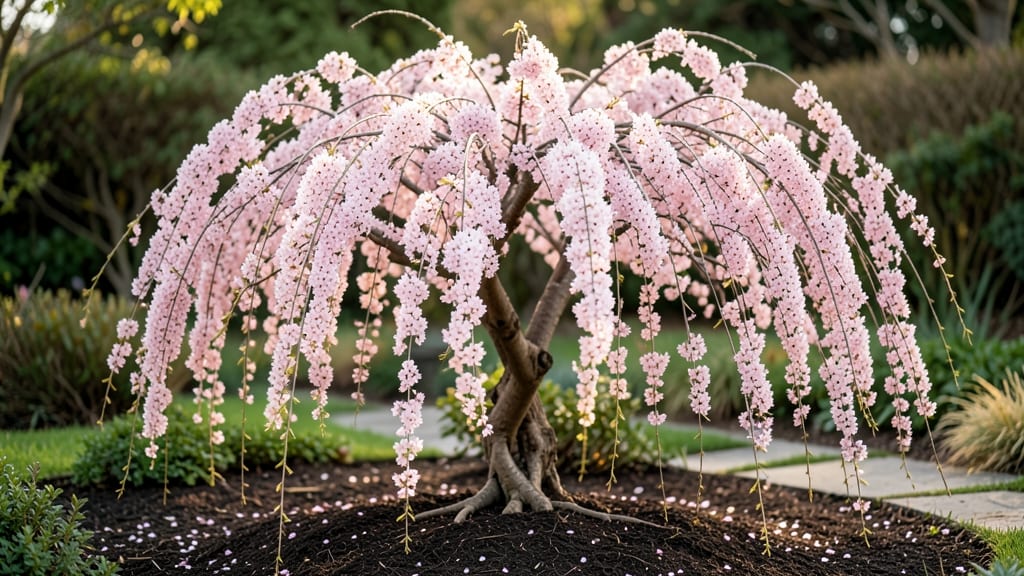
The Weeping Yoshino cherry tree size 🌸 can reach 15 to 30 feet tall at maturity, making it a stunning but space-conscious choice for gardens.
Dreaming of a stunning weeping cherry tree but worried it’ll outgrow your yard? The Weeping Yoshino (Prunus × yedoensis ‘Pendula’) is a breathtaking choice—but its mature size matters more than you think.
In just 10 years, this tree can grow 10 to 15 feet tall, so spacing and pruning become critical for small gardens or urban landscapes.
Below, I’ll break down exact dimensions, spacing rules, and pruning tips to keep your Weeping Yoshino thriving—without sacrificing its iconic beauty.

Weeping Yoshino cherry tree mature size: exact dimensions & growth rate
The Weeping Yoshino cherry tree (Prunus × yedoensis ‘Pendula’) is a stunning ornamental tree prized for its cascading branches and delicate pink-white blossoms. But before planting, you need to know its mature size—because unlike its standard Yoshino cousin, this weeping variety grows differently.
At maturity (10–20 years), it typically reaches 15–30 feet tall with a 10–20-foot spread, creating a dramatic, fountain-like shape. However, growth rates and final dimensions can vary widely based on climate, soil, and pruning habits.
Many gardeners assume weeping Yoshino cherries stay small, but they’re often surprised by how quickly they reach mature height. In ideal conditions (full sun, well-draining soil, and regular care), this tree can grow 2–3 feet per year in its early years.
By year 5, it may already be 10–15 feet tall, making it unsuitable for tight urban spaces without planning. Understanding these growth patterns helps you choose the right location and spacing from day one.
One of the biggest misconceptions about weeping Yoshino cherries is that they stay small like their dwarf cousins. In reality, this tree is not a dwarf variety—it’s a weeping form of the Yoshino cherry, meaning it grows just as tall (or taller) but with a wider, cascading shape.
The key difference? Its spread is 2–3 times wider than its height, creating a stunning waterfall effect but requiring more horizontal space. If your yard is narrow but long, this tree could work—but if it’s both small and square, you’ll need to plan carefully.
Climate plays a huge role in how fast your weeping Yoshino grows. In warmer zones (7b–10), like Southern California or the Southeast, these trees can reach 20 feet in just 8–10 years with rapid early growth.
But in cooler zones (6a–6b), such as the Pacific Northwest or New England, growth slows significantly. A tree in Zone 6a might only hit 15 feet in 15 years if winters are harsh. Always check your local USDA hardiness zone and adjust expectations accordingly.
Pruning is the single most effective tool to control a weeping Yoshino’s size. Unlike standard cherries, this variety benefits from annual pruning in late winter to remove overly long branches and encourage a denser, more compact form.
By pruning 1/3 of the new growth each year, you can keep the tree 10–15 feet tall even in ideal growing conditions. Just avoid heavy pruning after spring flowering, as this can reduce next year’s bloom production.
If you’re planting near a house, driveway, or patio, the tree’s spread is the bigger concern than its height. A mature weeping Yoshino can extend 15–20 feet outward, so plant it at least 10–15 feet from walls to avoid root damage or structural issues.
For urban gardens, consider container growing (though this limits long-term size) or choose a dwarf cherry alternative like the ‘Snow Fountain’ weeping cherry, which stays under 10 feet tall.
Another common mistake is assuming that young trees stay small forever. Many gardeners buy a 3-foot nursery
Best spacing for small gardens: how far to plant from walls, driveways & other trees
The Weeping Yoshino cherry tree needs careful spacing to thrive in small gardens. Its 10–20-foot spread at maturity means planting too close to walls, driveways, or other trees can cause root conflicts or structural damage. Follow these science-backed guidelines to avoid common mistakes and keep your tree healthy.
For walls or buildings, plant your weeping Yoshino at least 10–15 feet away. This prevents root damage to foundations and allows branches to cascade without rubbing against surfaces.
If your yard is narrow, consider planting it along a fence or property line where the spread can extend outward without issues.
When planting near driveways or pavement, increase spacing to 12–18 feet. Cherry tree roots can crack concrete over time if planted too close. If you must plant closer, use root barriers (buried plastic or metal sheets) to redirect roots downward and away from hardscapes.
For other trees or shrubs, maintain at least 15–20 feet of space. Weeping Yoshinos compete aggressively for water and nutrients, and overcrowding can stunt growth or invite pests. If you’re combining it with companion plants, choose drought-tolerant varieties like Japanese maples or ornamental grasses that won’t compete.
To encourage compact growth, prune your weeping Yoshino annually in late winter before buds swell. Remove 1/3 of the longest branches to maintain a balanced shape and prevent overgrowth. Avoid heavy pruning after flowering, as this can reduce next year’s blossom production, which is the tree’s star feature.
If your garden is truly tiny, consider container growing for the first few years. A 20-gallon pot can temporarily restrict root growth, but transplant to the ground within 3–5 years to avoid root-bound stress.
For long-term small-space solutions, explore dwarf cherry varieties like the ‘Snow Fountain’ weeping cherry, which stays under 10 feet tall while still delivering stunning blooms.
With the right spacing and pruning, your weeping Yoshino can thrive even in small urban gardens. Always measure twice before planting—your future self (and your tree) will thank you! 🌸