
Plants
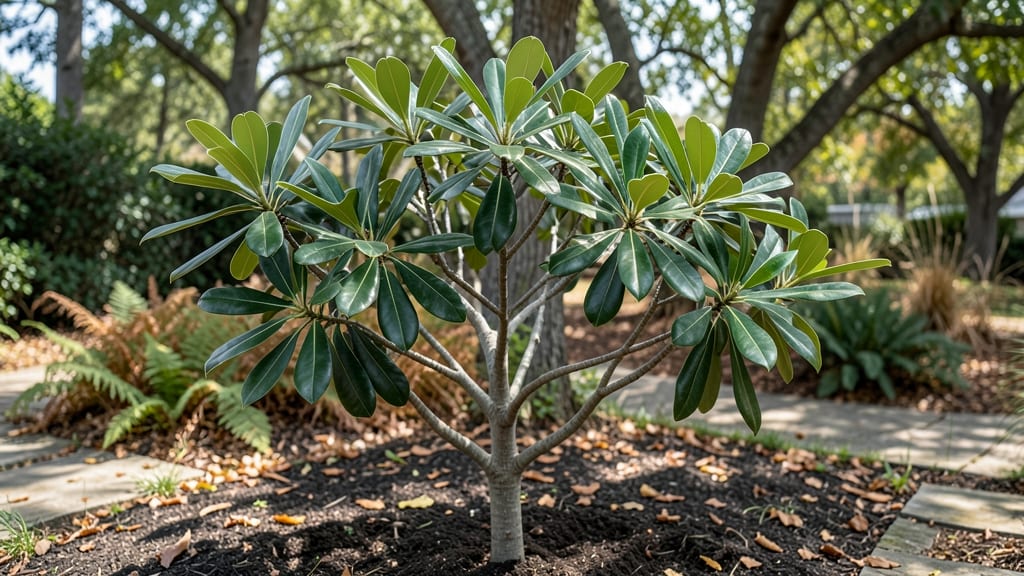
A young magnolia tree starts with leathery, glossy leaves that look like they’ve been waxed—smooth and slightly curled at the edges. 🌿 The bark is thin and silvery-gray, almost like a pencil’s surface, while its branches grow upright and sturdy, not too leggy.
Early blooms (if you’re lucky) appear as tight, velvety buds that swell in late winter, promising those iconic fragrant flowers later. The leaves are the easiest way to spot it: oval-shaped with a pointed tip, about 3-5 inches long, and arranged in a spiral pattern along the stem.
Young magnolias grow 12-24 inches per year, so you’ll see noticeable height gains if you plant one now. Their slow, steady growth means they’re low-maintenance but high-reward—perfect for gardeners who love a tree with character. One trick to tell it apart from other young trees?
Look for those buds in winter—most trees are bare, but magnolias hold onto theirs like a secret. The leaves also feel thicker than maple or oak, almost like suede. This is what makes them stand out in a nursery crowd.
If you’re comparing it to similar trees, focus on the leaf texture and bud shape. Young magnolias lack the jagged edges of oaks or the serrated leaves of cherries.
Plant one now, and in a few years, you’ll have a tree that’s both a statement piece and a fragrant centerpiece.
Causes behind its early growth traits
Young magnolia trees (like Magnolia grandiflora or Magnolia stellata) develop their distinctive features through a mix of genetic programming and environmental influences. Understanding these causes helps gardeners anticipate—and sometimes even influence—their tree’s appearance. Here’s why your young magnolia might look the way it does:
Every magnolia species carries a unique genetic code that dictates its early growth patterns. For example:
- Leaf shape: The Magnolia grandiflora (Southern magnolia) produces large, glossy, evergreen leaves with a crenate (scalloped) edge from birth, while Magnolia stellata (star magnolia) grows oblong, pointed leaves with a smoother texture. These traits are hardwired into their DNA.
- Bark texture: Young magnolia bark often starts smooth and grayish-green (like Magnolia virginiana) or develops thin, papery ridges (common in Magnolia acuminata). Over time, these patterns thicken and darken due to programmed cell growth.
- Early blooms: Some magnolias, like Magnolia × soulangeana, are pre-programmed to flower in late winter (even as young saplings) because their ancestors evolved to bloom before leaf-out in their native climates.
Actionable tip: If you’re curious about your tree’s species, compare its early leaves and blooms to a magnolia database—genetics rarely lie!
Magnolias are temperature-sensitive plants, and their early growth is often a direct response to seasonal cues:
| Factor | Effect on Young Magnolia | Scientific Explanation |
|---|---|---|
| Chill hours (winter cold) | Forces Magnolia stellata to bloom earlier in spring. | Magnolias require a period of dormancy (typically 200–1,000 hours below 45°F). Without enough cold, buds may stay dormant or bloom erratically. Too much heat in winter can also disrupt flowering. |
| Warm spells in late winter | Triggers premature leaf flush or blooming (e.g., Magnolia × loebneri). | Sudden warmth breaks dormancy before the tree is ready, leading to frost damage if cold snaps return. This is why gardeners in Zone 7–8 often see early blooms. |
| Humidity levels | Affects leaf glossiness and disease resistance. | Low humidity (<30%) causes stomatal closure, making leaves appear duller. High humidity (>70%) can promote powdery mildew on young, tender foliage. |
Pro tip: 🌡️ If your young magnolia blooms too early, mulch heavily (3–4 inches) to insulate roots and protect buds from late frosts.
Magnolias thrive in acidic, well-draining soil (pH 5.0–6.5), and their early appearance reflects what’s available in their root zone:
- Nitrogen deficiency: Leads to small, pale leaves with yellowing (chlorosis) between veins. Magnolias need moderate nitrogen for leaf expansion but can’t handle excess, which causes soft, weak growth vulnerable to pests.
- Phosphorus/potassium imbalance: Affects bloom quality. Too little phosphorus (P) delays flowering, while too much potassium (K) can reduce cold hardiness, making buds more susceptible to frost.
- Compacted or waterlogged soil: Strangles root growth, resulting in stunted, twisted trunks or yellowing leaves. Magnolias hate "wet feet" and may develop root rot if drainage is poor.
Actionable fix: Test your soil with a DIY kit and amend with peat moss or pine bark to improve acidity and drainage.
Even young magnolias face threats that alter their appearance:
- Magnolia scale (hemipteran pest): Appears as white, cottony bumps on stems/leaves, causing stunted growth and premature leaf drop. These pests sap-suck, starving the tree of nutrients.
- Powdery mildew (fungus): Creates a white, powdery coating on leaves, reducing photosynthesis. Common in humid, shaded conditions.
- Root-knot nematodes: Attack roots, leading to poor water uptake and yellowing leaves despite adequate soil moisture.
Prevention tip: 🔥 Spray neem oil (for pests) or baking soda mix (1 tbsp/baking soda + 1 gallon water + drop of soap) for mildew before issues arise.
Magnolias are partial-shade lovers, and their early growth adjusts based on sunlight:
- Too much sun (full exposure): Causes leaf scorch (brown, crispy edges) and smaller leaves as the tree tries to conserve water.
- Too little light (deep shade): Results in long, leggy stems and pale, sparse foliage as the tree stretches toward light.
- Dappled shade (ideal): Produces glossy, healthy leaves and stronger stems due to balanced photosynthesis.
Quick fix: 🌳 If your tree is in full sun, prune nearby trees to filter light or plant ornamental grasses nearby for natural shade.
Revitalizing Your Young Magnolia
Got a young magnolia tree that’s not quite hitting its potential? Whether it’s struggling with stunted growth, sparse leaves, or lackluster blooms, the good news is that most issues have simple fixes.
Below, we’ll break down common problems and provide practical, step-by-step solutions—plus tips to keep your magnolia thriving long-term.
Cause: Poor soil, overcrowding, or improper watering can slow down a young magnolia’s growth. These trees need nutrient-rich soil and space to stretch their roots.
How to Fix It:
- 🔥 Test and Amend the Soil Magnolias thrive in slightly acidic to neutral soil (pH 5.0–7.0). If your soil is compacted or nutrient-poor:
- Conduct a simple soil test (kits are affordable and available at garden centers).
- Mix in compost or well-rotted manure (2–3 inches) around the base, keeping it 6 inches away from the trunk to avoid rot.
- For clay soil, add sand or perlite to improve drainage.
- 🍳 Prune Smartly for Better Airflow Overgrown branches can block sunlight and stunt growth.
Prune in late winter or early spring (before new growth starts): - Remove dead, crossing, or crowded branches using sterilized pruning shears. - Cut just above a bud or outward-facing branch to encourage healthy growth. - Avoid heavy pruning—magnolias grow slowly, and aggressive cuts can stress the tree.
- 👨🍳 Water Deeply but Less Frequently Young magnolias need consistent moisture, but overwatering can suffocate roots.
- Water deeply 1–2 times per week (depending on rainfall) to encourage deep root growth.
- Mulch around the base (2–3 inches of organic mulch like pine straw) to retain moisture and regulate soil temperature.
💡 Prevention Tip:
- Plant magnolias in well-draining soil and avoid waterlogged areas. If your yard has poor drainage, consider raising the planting bed slightly.
Cause: Yellow leaves (chlorosis) or premature leaf drop can signal nutrient deficiencies, fungal issues, or environmental stress.
How to Fix It:
- 🌡️ Check for Iron or Nitrogen Deficiency Yellowing leaves (especially between veins) often mean iron deficiency, common in alkaline soils.
- Apply an iron chelate supplement (follow package instructions) in early spring.
- For general greening, use a balanced fertilizer (10-10-10) in early spring and mid-summer.
- ✨ Treat Fungal Issues Promptly If leaves have brown spots or powdery mildew, act fast:
- Remove affected leaves and dispose of them (don’t compost).
- Spray with neem oil or a copper fungicide (follow label rates).
- Improve air circulation by pruning dense branches.
- 🎯 Adjust Watering and Sunlight
- Overwatering or underwatering can cause stress. Aim for moist but not soggy soil.
- Ensure your magnolia gets at least 6 hours of sunlight daily—too much shade can weaken growth.
💡 Prevention Tip:
- Space trees properly (15–20 feet apart for standard magnolias) to reduce humidity and fungal risks.
- Water in the morning to allow foliage to dry quickly, discouraging fungal growth.
Cause: Young magnolias (especially those under 5–10 years old) may not bloom yet, but stress, poor nutrition, or improper pruning can delay flowers.
How to Fix It:
- 📊 Feed for Flowering Magnolias need phosphorus for blooms. Use a bloom-boosting fertilizer (like 5-10-5) in early spring.
- Apply slow-release granules around the drip line (not the trunk) and water deeply.
- 🔪 Avoid Heavy Pruning Pruning after blooming season (late spring/early summer) can remove next year’s flower buds.
- If pruning is needed, do it right after the tree finishes blooming.
- 🌿 Ensure Proper Care in Early Years
- Patience is key! Some magnolias (like Magnolia grandiflora) take 5–10 years to bloom.
- Protect from late frosts—young flowers are frost-sensitive. Cover buds with frost cloth if frost is forecasted.
💡 Prevention Tip:
- Plant in a sheltered location (away from strong winds) to reduce stress.
- Avoid transplant shock—magnolias hate being moved once established!
Final Thought: With the right care, your young magnolia will grow into a stunning, long-lived tree with glorious blooms. Most issues are fixable with proper soil, water, and a little TLC—so roll up your sleeves and give your magnolia the attention it deserves! 🌿✨
Frequently asked questions
How can I tell if my young tree is actually a magnolia and not another type?
Look for leathery, glossy leaves with a spiral arrangement and thick, pointed buds that appear in winter. Unlike oak or maple, magnolia leaves feel suede-like and have smooth edges (no jagged teeth). The bark is also distinctive—smooth and silvery-gray when young, unlike the rough bark of many other trees.
Why does my young magnolia have no leaves in winter?
Most magnolias are evergreen, but some varieties like Magnolia stellata drop leaves in winter. If your tree is bare, check for buds along the branches—these will swell in late winter. If you see tight, velvety buds, it’s likely a deciduous magnolia preparing for spring blooms.
How fast will my young magnolia grow?
Young magnolias grow 12-24 inches per year, depending on the species and growing conditions. For example, Magnolia grandiflora grows slower (12 inches/year) while Magnolia stellata can reach 24 inches/year in ideal conditions. Proper sunlight, soil, and water will speed up growth—just avoid overwatering!
Can I plant a young magnolia in a pot instead of the ground?
Yes, but choose a large container (at least 15-gallon) with drainage holes. Use a mix of acidic potting soil and compost and water consistently. However, magnolias prefer deep root space, so repot every 2-3 years or plant in the ground after 3-4 years for best growth.
What should I do if my young magnolia’s leaves turn yellow?
Yellow leaves often mean iron deficiency or overwatering. First, check soil moisture—magnolias hate soggy roots. If the soil is alkaline, apply iron chelate in early spring. For nutrient issues, use a balanced fertilizer (10-10-10) and ensure the tree gets partial shade to reduce stress.