
Size
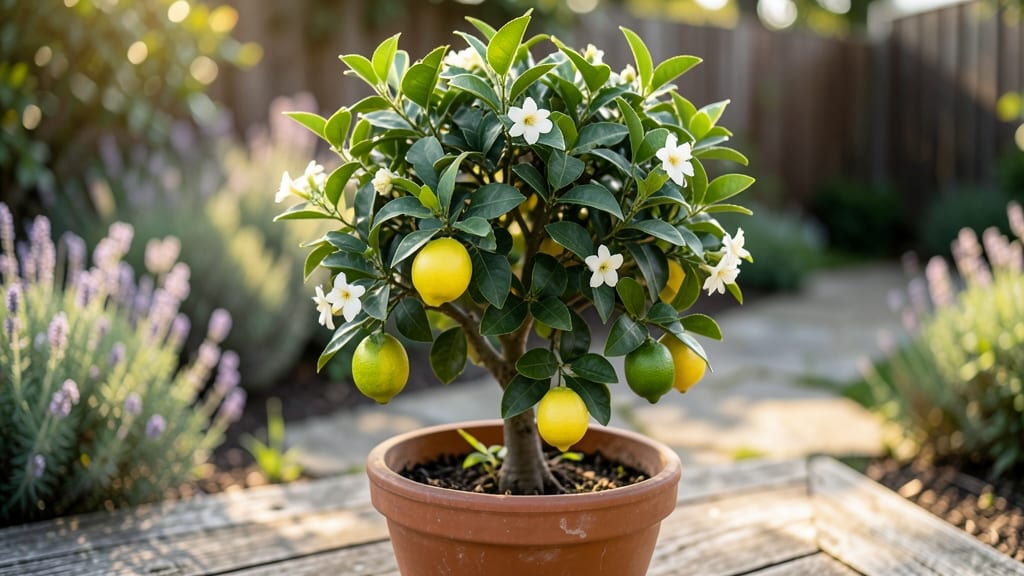
A dwarf lemon tree size stays between 6 and 8 feet at maturity—plenty of citrus for a small yard or patio, but not the towering giant you might picture.
Dreaming of fresh lemons but short on space? Dwarf lemon trees deliver big flavor in compact packages—yet their mature size varies wildly depending on the variety and care you provide. 🍋
Some varieties, like the Meyer lemon, top out at just 4 to 5 feet with proper pruning, while others may stretch toward 8 feet if left unchecked. The difference often comes down to pruning habits, container size, and sunlight exposure.
In this guide, I’ll break down the height limits of popular dwarf varieties, how to keep them in check, and the 5 most common mistakes that turn a manageable tree into a space hog.

Mature height limits of popular dwarf lemon tree varieties
Choosing the right dwarf lemon tree depends on your space and climate. While all dwarf varieties stay under 8 feet tall, their mature heights and spreads vary significantly—some thrive in indoor pots while others need outdoor conditions.
Understanding these differences helps you pick the perfect tree for your balcony, patio, or sunny windowsill.
The Meyer lemon is the most popular dwarf variety, prized for its sweet-tart fruit and adaptability. But even within dwarf types, heights range from 3 feet indoors to 6-8 feet outdoors. Let’s break down the specifics so you can plan your space and care routine accordingly.
Key factors influencing size include variety genetics, pruning habits, container size, and sunlight exposure. For example, a Lisbon lemon in a 5-gallon pot will stay under 4 feet tall, while the same tree in the ground may reach 6 feet. Always check the mature height label when buying, as nurseries sometimes mislabel.
If you’re growing indoors, prioritize varieties like the Meyer lemon
How pruning and training affect dwarf lemon tree size
Controlling the size of your dwarf lemon tree isn’t just about aesthetics—it’s about maximizing fruit production and keeping your tree manageable. With the right pruning techniques and training methods, you can keep your tree between 3 to 6 feet tall, even if it’s naturally taller.
The key lies in understanding when and how to prune, plus choosing the right training style for your space.
Your dwarf lemon tree’s growth pattern depends heavily on seasonal adjustments and container size. A tree in a 15-gallon pot will stay smaller than one planted in the ground, but both need strategic pruning to prevent legginess.
Let’s break down the essential techniques to keep your tree at your desired height while ensuring it thrives and produces fruit.
- Standard Pruning: Trim back 1/3 of new growth in late winter or early spring to encourage bushier growth and control height.
- Espalier Training: Train branches horizontally along a fence or wall to limit vertical growth—ideal for indoor spaces or small patios.
- Container Size Matters: Use pots 12-18 inches wide to restrict root growth, naturally keeping the tree smaller. Upgrade pots gradually as the tree matures.
- Seasonal Pruning: Light pruning in summer (after harvest) removes dead wood, while winter pruning shapes the tree for the next growing season.
- Topping Technique: Cut the main stem back by half in early spring to force a bushier, more compact shape—great for overgrown trees.
When pruning, always use sterilized pruning shears to avoid disease. Cut just above a leaf node or bud to encourage new growth. If you notice your tree becoming leggy or sparse, it’s a sign you need to prune more aggressively.
Remember, dwarf lemon trees are resilient—even if you prune too much, they’ll bounce back with proper care.
For container-grown trees, monitor root growth by gently removing the tree from its pot every 6 months. If roots circle the pot, it’s time to repot into a larger container.
This simple step prevents root-bound stress, which can stunt growth or cause your tree to grow taller as it searches for space.
Finally, combine pruning with regular fertilization (every 6-8 weeks during growing season) to support healthy growth. A balanced 6-6-6 NPK fertilizer ensures your tree stays lush and compact. With these techniques, you’ll enjoy a well-managed dwarf lemon tree that fits your space perfectly while producing an abundance of fruit.
🍋