
How To
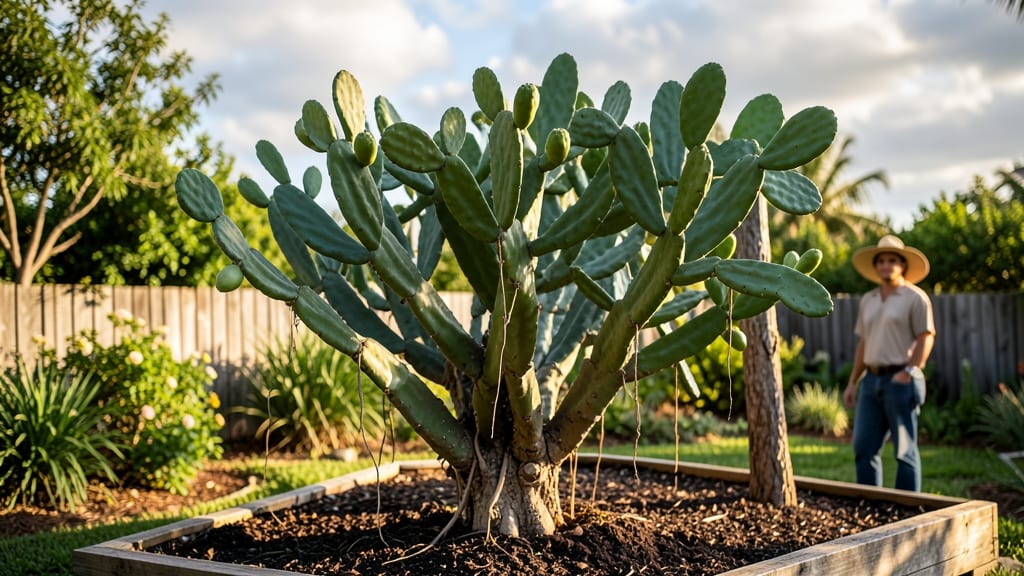
A dragon fruit tree 🐉 can grow between 15 and 30 feet tall, turning your backyard into a tropical jungle faster than you might expect.
If you're dreaming of growing dragon fruit in your backyard but worried about space, understanding its mature height is key to planning your garden layout—and avoiding pruning regrets.
These vines climb naturally, so without support, they’ll sprawl wide, but with a sturdy trellis or fence, they’ll grow vertically, saving precious ground space. In containers, they stay shorter but still need room to stretch.
Below, I’ll break down how to manage their height, whether you’re working with a small balcony or a sprawling garden, so you can enjoy those sweet, vibrant fruits without the overgrowth.

Dragon fruit tree height by variety: indoor vs outdoor growth differences
Dragon fruit trees (Hylocereus spp.) are tropical vines that can reach impressive heights, but their growth varies dramatically between indoor containers and outdoor gardens.
The most common varieties—Hylocereus undatus (pink-skinned) and Hylocereus costaricensis (red-skinned)—typically grow 15–30 feet tall outdoors with proper support, while indoor plants rarely exceed 6–10 feet due to limited light and space.
Outdoor dragon fruit trees thrive when given full sun exposure and a sturdy trellis, fence, or pergola to climb. Without support, they’ll sprawl 10–15 feet wide, but vertical growth can push them toward 20–30 feet in ideal conditions.
Indoors, however, their growth slows significantly—expect only 30–50% of outdoor height unless you supplement with grow lights.
Below, I’ve compared the mature heights of the most popular varieties, along with key factors like sunlight needs, pruning impacts, and how to manage their size whether you’re growing them in pots or your backyard.
The Hylocereus undatus (pink dragon fruit) is the most widely grown variety and typically reaches 15–25 feet outdoors with aggressive climbing. Indoors, it maxes out at 6–10 feet unless pruned regularly.
Meanwhile, Hylocereus costaricensis (red dragon fruit) grows slightly taller outdoors (20–30 feet) but follows the same indoor height limits.
Sunlight is the biggest factor affecting dragon fruit tree height. Outdoors, these plants need 6+ hours of direct sun daily to reach their full potential. Indoors, even a south-facing window may not provide enough light, leading to stunted growth and fewer flowers.
If you’re growing dragon fruit inside, consider supplemental grow lights (12–14 hours/day) to mimic outdoor conditions.
Pruning plays a crucial role in managing height, especially for outdoor plants. Regular pruning—removing overlong vines and dead flowers—can reduce height by 30–60% while encouraging bushier growth.
For indoor plants, prune aggressively in early spring to control size and redirect energy toward fruiting. Always sterilize your pruners to prevent disease.
Container size also limits height. A 5-gallon pot will keep a dragon fruit tree under 6 feet tall, while a 15-gallon pot allows for 8–10 feet of growth.
If you’re growing in containers, choose a deep, wide pot with drainage holes and repot every 2–3 years to accommodate root growth.
Temperature and humidity further influence height. Dragon fruit trees thrive in USDA Zones 10–12 but can grow indoors in cooler climates with consistent warmth (70–90°F). Low humidity (40% or below) slows growth, so mist leaves or use a humidifier if indoor conditions are dry.
Outdoor plants in arid regions may grow slower unless given extra water.
For small-space gardening, focus on dwarfing techniques like regular pruning, container limits, and strategic placement. Even in limited space, you can harvest 3–5 dragon fruits per year with the right care. Just remember: patience is key—these plants take 18–24 months to bear fruit, regardless of height.
🌱 Whether you’re growing dragon fruit outdoors or indoors, understanding these height differences will help you plan your garden layout and maximize your harvest. With the right support and care, even a small balcony can yield sweet, exotic fruit! 🪴
How to control dragon fruit tree height in small spaces
Dragon fruit trees 🐉 thrive when given space to climb, but their 15-30-foot mature height can overwhelm small gardens. The key to managing their size lies in understanding their natural growth habits and using strategic techniques to guide their development.
Without proper support, these vines sprawl horizontally, while with a trellis, they’ll grow vertically—making them perfect for compact spaces.
For gardeners with limited room, controlling height isn’t just about aesthetics; it’s about maximizing fruit production. A well-managed dragon fruit tree in a container or along a trellis can yield just as much as one in the ground, provided it gets enough sunlight and nutrients.
The secret is combining pruning, trellising, and container gardening to keep growth in check while encouraging healthy fruit development.
Dragon fruit trees grow fastest in their first 3 years, reaching 10-12 feet tall by year three. Without pruning, they can double in height annually in ideal conditions. However, with regular pruning and trellising, you can limit height to 6-8 feet in containers or along vertical supports.
Start with a trellis or sturdy fence to guide the vines upward. Dragon fruit trees are natural climbers, so providing a structure early—even a simple wooden post with wire mesh—will encourage vertical growth instead of sprawling.
For containers, choose a large pot (at least 15-20 gallons) with drainage holes to accommodate root growth while keeping the tree manageable.
Pruning is your best friend for controlling height. Trim back the main stems in late winter or early spring to encourage bushier growth and prevent excessive height. Focus on removing long, leggy branches and redirecting energy to lateral shoots.
This not only keeps the tree compact but also boosts fruit production by improving airflow and sunlight penetration.
Seasonal growth patterns play a crucial role in height management. Dragon fruit trees grow most aggressively during spring and summer, so prune heavily after the first flush of growth to curb height.
In fall and winter, growth slows, making it easier to shape the tree without stressing it. Always use sterilized pruners to prevent disease and avoid cutting into old wood, which won’t regenerate.
If you’re growing dragon fruit in containers, choose a dwarfing rootstock or opt for smaller varieties like Hylocereus undatus, which naturally stays shorter than its cousins. Monitor soil moisture closely—overwatering can lead to weak, leggy growth, while underwatering stresses the plant.
A balanced fertilizer (7-9-5 NPK) applied every 4-6 weeks during the growing season will support compact, productive growth.
With these techniques, you can enjoy a bountiful dragon fruit harvest even in the smallest of spaces. Whether you’re trellising along a balcony railing or growing in a large pot, controlling height doesn’t mean sacrificing yield—it’s about working with the plant’s natural habits to create a thriving, space-efficient garden. 🌿