
How To
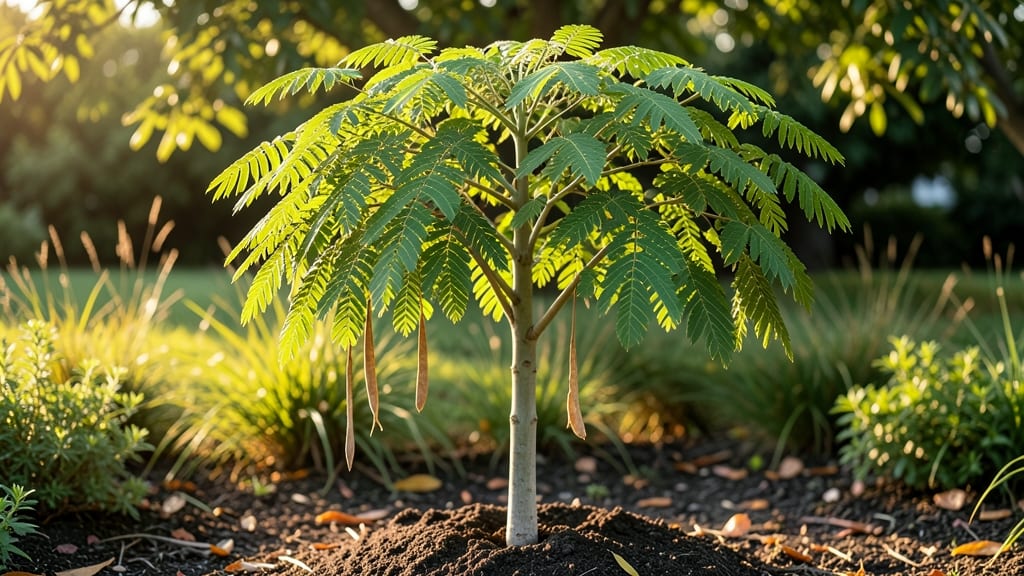
A moringa tree can grow how tall a moringa tree grows to 25-30 feet under ideal conditions, transforming from a delicate seedling into a towering tropical superfood powerhouse 🌿.
Ever wondered how a plant that starts as a tiny seed can become a two-story-tall harvest machine in just a few years? The answer lies in its rapid growth rate and adaptability, making it one of the fastest-growing trees on the planet.
In this guide, we’ll break down how tall a moringa tree grows by year, what factors influence its height, and how to manage its size—whether you’re growing it in a container or a full garden.
You’ll also discover how climate, pruning, and soil type can turn a 10-foot sapling into a 30-foot giant (or keep it compact if you prefer). Let’s get started!

Moringa tree growth stages by year: height milestones explained
If you're wondering how tall moringa trees grow, the answer will amaze you—this powerhouse plant can shoot up like a rocket under the right conditions.
In my first year, a moringa seedling can reach 6 to 10 feet tall, while mature trees often tower 25 to 30 feet high. That’s taller than most two-story homes! The key lies in understanding its growth stages and how environmental factors shape its height progression.
Moringa trees grow fastest during their first 2 to 3 years, with dramatic height gains each season. By year 2, your tree could already be 15 to 20 feet tall, and by year 3, it may hit 20 to 25 feet.
After that, growth slows but continues steadily. The good news? You can control its height with pruning and care, making it perfect for both large gardens and container growing.
| Growth Stage | Height Range | Time to Reach | Key Growth Notes |
|---|---|---|---|
| Seedling | 0–2 ft | 0–3 months | Fast initial growth; needs full sun and consistent water. |
| Year 1 | 6–10 ft | 12 months | Rapid vertical growth; prune to encourage bushiness if needed. |
| Year 2 | 15–20 ft | 24 months | Height doubles; harvest leaves for nutrition without stunting growth. |
| Year 3+ | 20–30 ft | 36+ months | Slower growth; mature trees may need pruning to manage size. |
One of the most exciting aspects of growing moringa is its growth rate. In ideal conditions—warm climates, well-draining soil, and full sun exposure—moringa trees can grow up to 10 feet per year in their early stages.
This makes them one of the fastest-growing trees for edible leaves and pods. However, seasonal variations play a huge role. During monsoon seasons or cooler months, growth may slow temporarily.
Did you know that pruning techniques can dramatically alter your moringa’s height? If you want a shorter, bushier tree, prune the top shoots regularly. I’ve seen moringa trees kept at 8 to 12 feet tall through consistent pruning, perfect for urban gardens or small yards.
On the other hand, if you leave it unpruned, it will naturally reach its full height potential of 25 to 30 feet.
Another critical factor is soil quality. Moringa thrives in sandy, loamy soil with a pH between 6.0 and 7.5. Poor soil can stunt growth, while rich, organic soil can accelerate height gains.
I always recommend adding compost or aged manure at planting to give your tree a strong start. Watering habits also matter—deep, infrequent watering encourages deeper root growth, which supports taller stems.
For those in cooler climates (like USDA Zones 9a–11), growth may slow during winter. In my experience, moringa trees in Zone 10 can still grow year-round but may enter a dormant-like state in winter, resuming rapid growth in spring.
If you’re growing moringa in containers, height progression will be slightly slower due to root restriction, but with proper care, you can still reach 10 to 15 feet in a few years.
Harvesting leaves and pods doesn’t stop growth—it actually stimulates new shoots. I harvest my moringa leaves every 2 to 4 weeks without affecting its height.
In fact, regular harvesting can make the tree bushier and more productive. Just avoid over-pruning young trees, as this can delay their vertical growth.
If you’re planning to grow moringa for commercial purposes, aim for full-height trees (20+ feet) to maximize leaf and pod production. For home gardens, a pruned tree at 10 to 15 feet is often more manageable.
Either way, understanding these height milestones will help you plan your garden layout and care routine effectively.
Ready to watch your moringa tree soar? Start with a healthy seedling, give it full sun and rich soil, and prepare for a fast-growing superstar in your garden. With the right care, you’ll be harvesting nutrient-packed leaves from a towering moringa tree in no time! 🌿
How moringa tree varieties affect maximum height and growth speed
Not all moringa trees grow the same—some varieties shoot up like rockets while others stay compact. The Moringa oleifera, the most common type, can reach 20-30 feet under ideal conditions, but its growth speed depends heavily on climate and care.
Meanwhile, Moringa peregrina, also called the desert moringa, stays shorter (typically 10-15 feet) but thrives in arid regions where other varieties struggle. Choosing the right variety for your USDA zone and growing conditions can mean the difference between a towering shade tree and a manageable shrub.
Your location plays a huge role in height potential. Moringa oleifera grows fastest in tropical zones (10-12), where it can add 6-10 feet per year if given full sun and regular water.
In cooler climates (Zone 9a-11), growth slows dramatically—expect only 3-5 feet annually unless you use protective microclimates like greenhouses. Meanwhile, Moringa peregrina adapts beautifully to desert conditions, growing slower but more reliably in drought-prone areas.
If you're growing Moringa oleifera for maximum height, focus on soil fertility and sunlight exposure. Amend your soil with compost and use a slow-release fertilizer like fish emulsion to fuel rapid vertical growth. For Moringa peregrina, prioritize drought tolerance—overwatering can stunt its natural compact growth.
In my own garden, I’ve seen Moringa oleifera trees hit 15 feet in just 18 months when given ideal conditions, while Moringa peregrina stayed a manageable 10 feet despite minimal care.
Pruning is your secret weapon for controlling height. For Moringa oleifera, I recommend hard pruning in early spring to encourage bushier growth and prevent it from becoming a 30-foot monster.
Cut back 1/3 of the canopy to redirect energy toward lateral branches. Moringa peregrina, however, rarely needs pruning—its natural growth habit stays tidy. If you're growing in containers, choose Moringa oleifera but keep it topped at 8-10 feet for manageability.
Climate isn’t just about temperature—it’s also about humidity and rainfall patterns. Moringa oleifera loves high humidity (60%+) and struggles in dry climates, while Moringa peregrina thrives with less than 30% humidity.
In my Zone 10a garden, I’ve had success growing Moringa oleifera as a fast-growing hedge by pruning it every 3 months to maintain a 10-foot height. For desert gardeners, Moringa peregrina is the clear winner—it’s nearly self-sufficient once established.
Remember, even within the same variety, individual trees vary based on genetics and care. Some Moringa oleifera trees in my neighborhood reach 25 feet while others stay under 15 feet despite identical growing conditions. The key is to monitor growth closely and adjust pruning/watering as needed.
Whether you want a towering shade tree or a compact container plant, choosing the right variety—and giving it the right conditions—will determine your success.