
Size
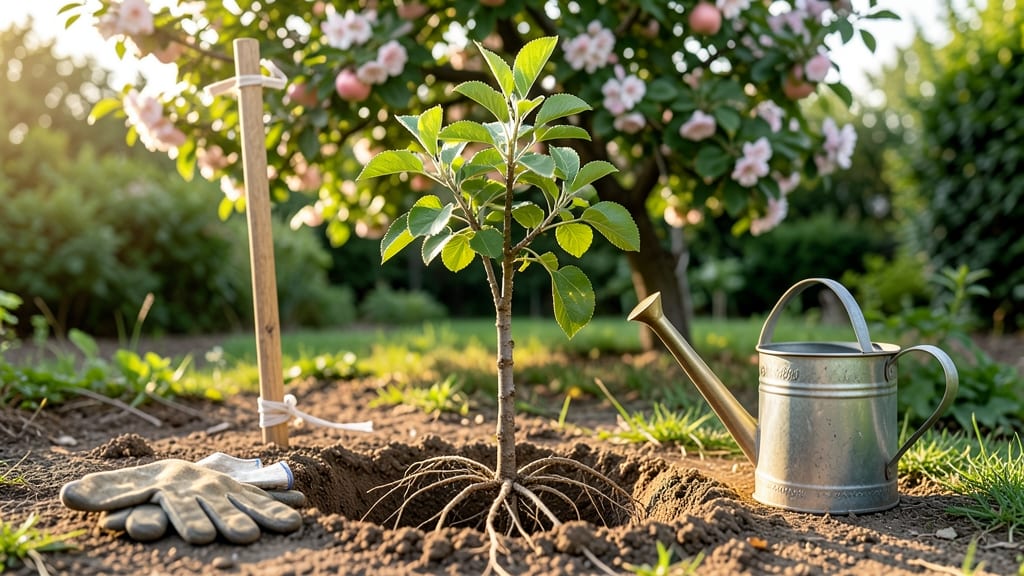
If you plant an apple seed, a tree will grow—but it won’t produce fruit identical to the parent apple. Most store-bought seeds yield wild, bitter apples or fail to thrive due to genetic variability and slow growth cycles. Success depends on seed viability, climate, and patience for 5-10 years of maturation.
Planting an apple seed from a store-bought fruit often leads to disappointment because commercial apples are bred through grafting—not natural pollination. 🌱 The resulting tree may take years to fruit (if it does at all), and the apples will likely be small, tart, and nothing like the sweet varieties you’re used to.
For true fruit-bearing potential, you’d need to source seeds from heirloom or organic apples, then follow proper germination techniques like cold stratification to mimic natural winter conditions.
Even then, the tree’s growth rate and fruit quality depend heavily on your local climate. Apple trees thrive in zones 4-8, need full sun, and require cross-pollination from another variety to produce fruit.
Without these conditions, your seedling might just become an ornamental tree—beautiful to look at, but not the apple orchard you imagined.
💡 In This Article
- Why Store-Bought Apple Seeds Rarely Grow True Fruit Trees
- How to Grow an Apple Tree from Seed (Step-by-Step Guide)
Why store-bought apple seeds rarely grow true fruit trees
The reason most apple seeds from grocery store fruit fail to produce the same variety is rooted in plant genetics. Commercial apple varieties are almost always hybrids created through grafting—not through natural pollination.
When you eat a store-bought apple like Fuji or Gala, the seed inside contains a mix of genetic traits from two different parent trees, making it heterozygous. This means the resulting tree will likely produce apples that look and taste completely different from the parent fruit.
Here's what happens genetically: The seed carries dominant and recessive traits that can express unpredictably.
For example, a sweet commercial apple might carry recessive genes for tartness or small size that only appear in the seed-grown tree. 🌱 In nature, this genetic variability helps species adapt, but gardeners typically want consistent fruit quality.
That's why commercial orchards use grafting—a technique where a desired variety's branches are attached to a rootstock—ensuring the tree produces identical fruit to the parent.
The unpredictability extends beyond taste. Seed-grown apple trees often take 5-10 years to bear fruit (if they do at all), and the apples may be smaller, harder, and more bitter than their store-bought counterparts.
This is because the seed hasn't undergone years of selective breeding for sweetness, size, and disease resistance. For comparison, a grafted tree from a nursery might fruit in just 3-5 years with predictable characteristics.
Climate plays a crucial role too. Most commercial apple varieties are bred for specific growing zones (typically 4-8 on the USDA scale), requiring at least 400-800 chill hours per year (below 45°F) to properly set fruit.
If your region doesn't meet these requirements, the seedling might never produce viable apples—or might only bear fruit sporadically. Even if it does fruit, the trees may grow wildly different from their parent, sometimes developing thorns or different leaf shapes.
Consider this real-world example: If you plant a seed from a Granny Smith apple, the resulting tree might produce apples that are red instead of green, sweeter but less tart, or even completely inedible due to excessive bitterness.
This unpredictability is why serious fruit growers rely on grafted trees or certified organic seeds from known heirloom varieties, which have been stabilized through generations of selective breeding.
For those determined to try, the key is sourcing seeds from heirloom or organic apples—these varieties are more likely to produce predictable (though still not identical) fruit. Even then, you're rolling the genetic dice, which is why many gardeners prefer starting with grafted trees from reputable nurseries.
The trade-off? Grafted trees cost more upfront but deliver faster, more reliable fruit production with characteristics you can trust.