
Pruning
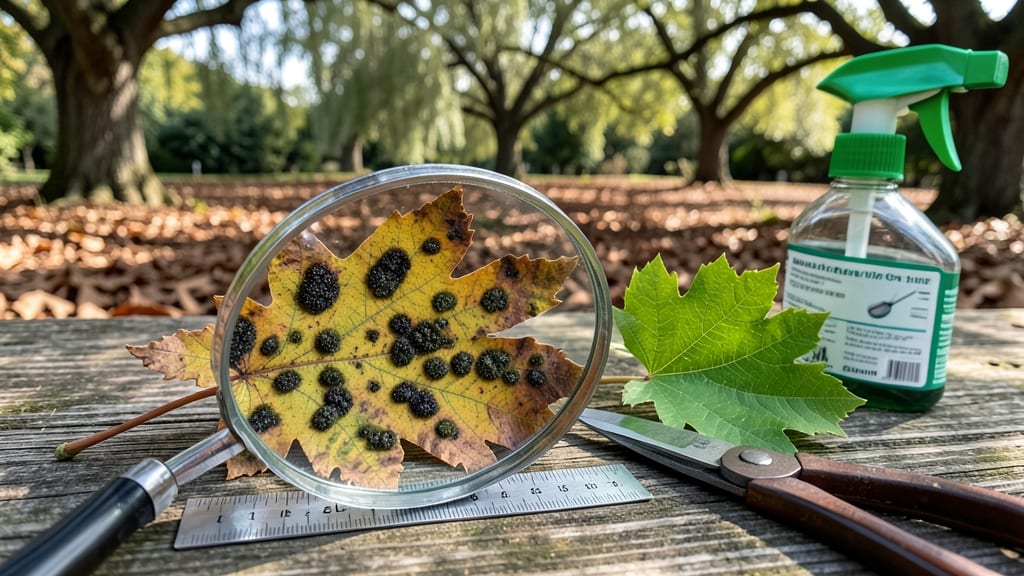
Maple tree leaf bumps are the kind of problem that turns your backyard from serene to stressful. 🌿 I’ve seen healthy maple trees develop unsightly bumps—some from fungal infections, others from hungry insects—that ruin the smooth, vibrant foliage you love.
The good news? Most causes are treatable with the right approach, and prevention is simpler than you think.
Those little bumps could be tar spot’s black specks, anthracnose’s yellowing patches, or even scale insects clinging to the undersides of leaves. The key is identifying the culprit early: check for discoloration, sticky residue (honeydew), or tiny webs.
Without intervention, bumps spread, weakening the tree and making it less resilient to future pests or disease.
With proper pruning, organic sprays, and a few seasonal maintenance tweaks, you’ll restore those leaves to their natural, glossy perfection. I’ve helped trees bounce back from worse—by mid-summer, the bumps fade, and the foliage returns healthier than ever. The secret lies in timing and consistency.
Whether you’re dealing with a single branch or the whole canopy, this guide covers when to prune, what tools to use, and how to avoid making things worse. Skip the guesswork and get your maple tree back to looking like the star of the neighborhood it should be.
Root Causes of Leaf Bumps
Understanding why your maple tree leaves develop bumps is the first step toward restoring their smooth, vibrant appearance. These irregularities aren’t just cosmetic—they often signal underlying issues that, if ignored, can stress the tree or even invite pests.
Below, we break down the most common causes, backed by science, so you can take targeted action.
---
Extreme or sudden changes in your maple tree’s environment can cause leaves to react defensively, forming bumps as a stress response. Here’s how it works:
- Temperature Fluctuations: Maple trees thrive in moderate climates, but rapid shifts—whether from scorching heat or a late frost—can disrupt cell growth. When temperatures dip below 32°F (0°C) or spike above 90°F (32°C), leaves may develop galls (small, rounded bumps) as a protective measure.
These galls are essentially overgrowths of plant tissue, often triggered by hormonal imbalances caused by stress. - Actionable fix: Mulch the base of the tree to regulate soil temperature and reduce heat stress. If frost is a concern, use frost cloth during late spring or early fall.
- Water Imbalance: Both overwatering and drought stress can lead to bumpy leaves.
Overwatering causes root suffocation, cutting off oxygen and nutrients, while drought forces the tree to conserve water by altering leaf structure. - Signs to watch for: - Yellowing edges (overwatering) - Curling or thickening (drought) - Solution: Water deeply 1–2 times per week (depending on soil type) and ensure the soil drains well.
A soil moisture meter can help you monitor levels accurately.
- Wind or Physical Damage: Strong winds or hail can bruise leaves, leading to calloused bumps as the tree repairs damaged cells. These bumps are often irregular and may appear alongside torn edges. - Prevention tip: Prune branches to improve airflow and reduce wind exposure.
If your tree is in a high-wind area, consider staking young trees temporarily.
---
Not all bumps are harmless—some are signs of insect infestations or fungal/bacterial infections that manipulate the tree’s growth. Here’s how to identify them:
- Maple Gall Midges (Dasineura spp.): These tiny flies lay eggs on young leaves, triggering the tree to form hard, woody galls (often round or elongated) as a response.
The galls can distort leaf shape and reduce photosynthesis. - How to spot them: - Small, pimple-like bumps that harden over time. - Often found on silver maple or Norway maple leaves. - Treatment: Prune and destroy heavily infested leaves in late winter or early spring before adults emerge.
Apply horticultural oil in early spring to suffocate eggs.
- Scale Insects or Spider Mites: These sap-sucking pests inject toxins that cause raised, crinkled bumps or stippled patterns on leaves.
Heavy infestations lead to yellowing and premature leaf drop. - Signs of infestation: - Sticky residue (honeydew) on leaves or branches. - Fine webbing (in the case of spider mites). - Solution: Blast leaves with a strong stream of water to dislodge pests, then apply neem oil or insecticidal soap every 7–10 days until the problem resolves.
- Fungal Infections (e.g., Anthracnose): Fungal spores exploit stressed trees, causing dark, sunken bumps or target-like spots with yellow halos. Anthracnose thrives in wet, humid conditions and can defoliate maples if untreated. - Prevention: Improve air circulation by pruning dense branches.
Apply copper fungicide in early spring before spores spread. Clean up fallen leaves to reduce spores in the soil.
---
Sometimes, bumpy leaves are simply part of the tree’s natural growth pattern. While not harmful, these traits can indicate cultivar-specific quirks or juvenile phase characteristics.
- Variegated or Cultivar Traits: Some maple varieties, like the ‘Autumn Blaze’ or ‘Emerald Lace’, naturally produce leaves with textured edges or uneven surfaces.
These bumps are harmless and add to the tree’s ornamental value. - How to confirm: Research your maple’s cultivar—if bumps are consistent across all leaves and the tree is otherwise healthy, genetics are likely the cause.
- Juvenile Leaves: Young maple trees (especially those under 10 years old) may produce coarser, bumpier leaves as they mature. These often smooth out as the tree ages. - What to do: Monitor the tree annually. If bumps persist beyond maturity or worsen, investigate other causes.
--- Imbalances in soil chemistry or exposure to certain substances can also lead to leaf deformities.
- Nutrient Deficiencies or Toxicities: - Excess nitrogen can cause thick, leathery leaves with bumps. - Magnesium or potassium deficiencies may lead to irregular leaf surfaces or blister-like growths. - Diagnosis: Test your soil with a home kit or send a sample to a local extension office.
Amend soil based on results—e.g., add lime for acidic soil or compost for nutrient-poor soil.
- Herbicide or Chemical Drift: If your maple is near a lawn or garden, glyphosate or 2,4-D drift can cause crinkled, bumpy leaves as the tree struggles to process the chemical. - Solution: Avoid spraying herbicides when the tree is in active growth (spring to early summer).
Use organic mulch as a barrier to reduce absorption.
--- Before treating, inspect the undersides of leaves (many pests hide there) and check for patterns (e.g., bumps in rows = mites; random = stress). If unsure, snap a photo and compare it to online databases like the [University of Minnesota’s Maple Pest Guide](https://extension.umn.edu/). Early identification saves time and stress!
Fixing Leaf Bumps Naturally
Now that you understand the root causes behind those unsightly bumps on your maple tree leaves—whether they’re due to pests, fungal infections, or environmental stress—it’s time to take action! Below, we’ve mapped out practical, step-by-step solutions tailored to each issue, plus prevention tips to keep your tree thriving long-term.
---
If tiny bumps or holes signal pest activity (like aphids, mites, or scale insects), act fast to prevent spread.
#### 🍳 Spray Off Soft-Bodied Pests (Aphids, Mites) 1. Mix a soapy solution: Combine 1 tsp mild dish soap (like Castile) with 1 quart of water in a spray bottle. 2. Test on a small leaf first to avoid burning foliage.
3. Spray thoroughly on the undersides of leaves (where pests hide) and stems. Repeat every 3–5 days until pests vanish. - Pro tip: 🌡️ Do this in the early morning—pests are sluggish and easier to kill when dew is present.
#### 👨🍳 Target Scale Insects with Scrubbing 1. Dampen a soft cloth or sponge with water and rub off scale clusters (they look like tiny bumps or waxy spots).
2. Follow up with horticultural oil: Mix 1 tbsp oil (like neem or mineral oil) with 1 quart of water, then spray. This suffocates eggs and nymphs. 3. Repeat weekly for 2–3 weeks to break their life cycle.
#### 🐞 Call in the Predators (Natural Control) - Ladybugs, lacewings, and parasitic wasps eat maple pests. Buy them online or attract them by planting dill, fennel, or marigolds nearby.
---
If bumps are powdery mildew, anthracnose, or tar spot, improve airflow and treat aggressively.
#### ✂️ Prune for Better Airflow 1. Remove infected leaves/branches with sterilized pruners (wipe with rubbing alcohol between cuts). 2. Thin out dense foliage to let sunlight and air circulate—aim for 20–30% less leaf mass if growth is thick.
3. Clean up fallen leaves under the tree (they harbor spores).
#### 💦 Apply Fungicide (Organic or Chemical) - Baking soda spray: Mix 1 tsp baking soda + 1 tsp oil + 1 quart water.
Spray every 7–10 days for mildew. - Copper fungicide: Follow label instructions for tar spot or anthracnose (reapply after rain). - Pro tip: ✨ Water at the base, not overhead, to keep leaves dry and resistant to fungi.
#### 🌱 Boost Tree Health - Fertilize lightly in early spring with a balanced, slow-release fertilizer (like 10-10-10). - Mulch properly: Use 2–3 inches of organic mulch (wood chips) but keep it 6 inches away from the trunk to prevent rot.
---
If bumps stem from heat, drought, or poor soil, tweak your tree’s growing conditions.
#### 💧 Water Deeply and Infrequently - Water slowly (1–2 inches per week) to encourage deep root growth. - Avoid wetting leaves if fungal issues are present (use a soaker hose instead). - Pro tip: 🎯 Check soil moisture by sticking your finger 2 inches deep—if dry, water again.
#### 🌳 Provide Shade or Windbreaks - Young or stressed trees benefit from partial shade (especially in hot climates). - Install a windbreak (like a fence or shrubs) if your area is exposed to harsh winds.
#### 🔄 Improve Soil Drainage - Test your soil (kits are cheap at garden centers) and amend with compost or sand if it’s too clay-heavy. - Avoid compacted soil: Aerate the root zone gently with a hand fork in early spring.
---
Once your maple tree is back in shape, stay proactive with these habits:
- 🔍 Inspect leaves weekly during growing season (spring–fall) for early signs of pests or disease. - 🌿 Prune in late winter/early spring to remove weak branches before pests arrive. - 🍂 Clean up fallen leaves in autumn to reduce fungal overwintering. - 🚫 Avoid over-fertilizing—too much nitrogen = soft, pest-attracting growth. - 🌧️ Use a rain gauge to track watering—maples hate soggy roots but also drought stress.
--- By addressing the specific cause of your maple tree’s bumpy leaves and following these simple, science-backed steps, you’ll restore smooth, vibrant foliage in no time. Healthy trees = happy trees! 🌿✨
Frequently asked questions
Are bumpy maple leaves always a sign of disease?
Not necessarily! Many maple varieties naturally develop textured leaves, especially young trees under 10 years old. Check if the bumps are consistent across all leaves and if the tree appears otherwise healthy. Cultivars like 'Autumn Blaze' often have naturally uneven foliage. If bumps appear suddenly or worsen, investigate further for pests or stress factors.
How can I tell if my maple tree has scale insects causing the bumps?
Look for sticky residue (honeydew) on leaves or branches below the bumps—this is a dead giveaway! Scale insects appear as small, waxy bumps that don't move. Check the undersides of leaves for tiny clusters. If you see fine webbing, spider mites may also be present. A damp cloth can help remove and identify them.
Will pruning help if my maple leaves have fungal bumps?
Yes, but focus on removing infected branches first to prevent spread. Use sterilized pruners and dispose of infected leaves properly. Thin out dense foliage to improve airflow—this reduces humidity where fungi thrive. Follow up with a copper fungicide in early spring for best results. Always prune during dry weather to avoid spreading spores.
Can I use household items to treat maple leaf bumps?
For mild cases, try a soapy water spray (1 tsp dish soap + 1 quart water) for soft-bodied pests like aphids. For fungal issues, mix 1 tsp baking soda + 1 tsp oil + 1 quart water and spray every 7–10 days. Always test on a small leaf first. These remedies are safe and effective for early intervention when used consistently.
How long does it take to see improvement after treating bumpy leaves?
With proper care, you should see noticeable improvement in 4–6 weeks. New leaves will emerge smoother as you address the root cause. For severe cases (like heavy fungal infections), it may take 2 growing seasons to fully restore the tree's health. Monitor regularly and adjust treatments as needed—consistency is key!