
Trees
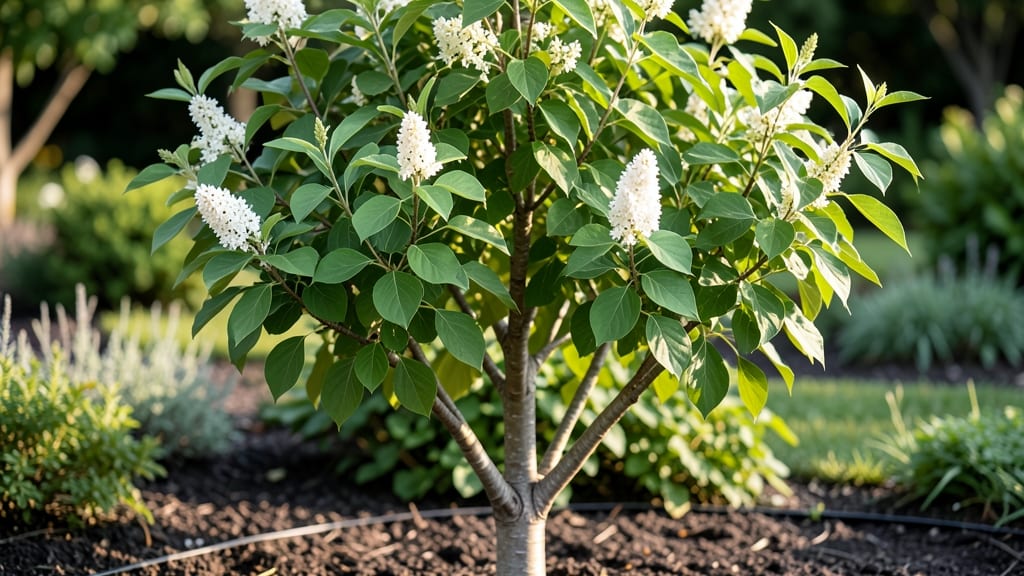
White lilac tree leaves aren’t just a cosmetic issue—they’re a cry for help from your fragrant friend. ✨ The first time I saw my lilac’s leaves turn white, I assumed it was just part of the aging process, but it turned out to be powdery mildew spreading faster than weeds in a spring rain.
The good news? This problem has simple fixes that keep your tree blooming beautifully for decades.
Most white leaves on lilacs stem from three culprits: fungal infections like powdery mildew, tiny pests like spider mites, or environmental stress from poor air circulation or overwatering.
I’ve treated all three in my own yard, and the solutions are straightforward—think pruning for airflow, neem oil for pests, and adjusting watering to keep roots happy. The key is acting fast before the white fuzz spreads to every branch.
With the right care, your lilac will reward you with year-round fragrance and those iconic purple blooms every spring. You’ll see new green growth within weeks of treatment, and the tree will stay healthy enough to handle minimal pruning.
The secret? Consistent checks and quick responses—no need for harsh chemicals if you catch it early.
Whether you’re dealing with a young sapling or a mature tree, these methods work for any lilac variety. The best part? Once you fix the issue, your tree will thrive with less maintenance than you’d expect.
Let’s get those leaves back to their vibrant green and keep that sweet scent in the air.
Understanding Leaf Discoloration Causes
White or pale leaves on your lilac tree aren’t always a sign of distress—they can stem from natural processes, environmental factors, or even pest activity.
Below, we break down the most common reasons why your lilac’s foliage might be losing its vibrant green hue, along with the science behind each cause.
Some lilac trees, particularly cultivars like Syringa meyeri ‘Palibin’ or Syringa vulgaris ‘Alba’, naturally produce white or variegated leaves.
This isn’t a problem—it’s a genetic trait! - Why it happens: Variegation occurs when certain cells in the leaf lack chlorophyll due to mutations in the genes responsible for pigment production.
Instead of green, these cells produce white, cream, or yellow patches. - What to do: If your lilac has always had white-tipped or speckled leaves, celebrate its uniqueness! No action is needed unless the discoloration is new or paired with other symptoms (like wilting or yellowing).
Lilacs thrive in full sun, but too much intense sunlight—especially after transplanting or during hot, dry spells—can scorch leaves, turning them white or bleached. - Why it happens: Excessive UV exposure damages chloroplasts (the leaf’s energy-producing cells), breaking down chlorophyll.
This is common in young trees or those suddenly moved to sunnier spots. - What to do: - Provide afternoon shade (e.g., with a temporary shade cloth) during peak summer heat. - Ensure the tree is well-watered (1–1.5 inches per week) to help leaves recover. - Mulch the base to retain moisture and protect roots.
White, mushy, or yellowing leaves can signal root suffocation from soggy soil—a classic sign of overwatering or compacted clay soil. - Why it happens: Lilacs hate "wet feet." Poor drainage leads to anaerobic conditions (lack of oxygen in roots), stressing the tree and causing leaves to lose chlorophyll.
Fungal infections like Phytophthora may also take hold in waterlogged soil. - What to do: - Test your soil: Dig 6–8 inches deep; if it’s soggy after rain, amend with compost or sand to improve drainage. - Adjust watering: Water deeply once a week (or less in rain) and avoid shallow, frequent watering. - Raise beds: If planting in heavy clay, consider a raised bed or mound to prevent water pooling.
Tiny pests like aphids or spider mites suck sap from leaves, causing them to appear white, stippled, or dusty with webbing. - Why it happens: - Aphids excrete honeydew (a sticky residue), which can attract sooty mold—a black fungal growth that further stresses the tree. - Spider mites thrive in dry conditions and create white webbing on the undersides of leaves. - What to do: - Inspect leaves: Look for webbing, tiny bugs, or sticky residue.
Use a magnifying glass if needed. - Blast off pests: Spray leaves with a strong stream of water to dislodge them. - Neem oil or insecticidal soap: Apply in the evening to avoid harming beneficial insects.
Repeat every 5–7 days. - Encourage predators: Ladybugs and lacewings eat aphids naturally—plant companion flowers like marigolds nearby.
White or crispy leaf edges often signal fertilizer burn or exposure to glyphosate-based herbicides (like Roundup), which can drift and damage foliage. - Why it happens: - Over-fertilizing (especially with high-nitrogen or salt-based fertilizers) disrupts the tree’s ability to absorb water and nutrients, leading to leaf scorch. - Herbicide drift: Lilacs are sensitive to post-emergent herbicides applied nearby.
Even residual chemicals in soil can cause issues. - What to do: - Flush the soil: Water deeply to dilute salts or chemicals. - Use organic fertilizer: Switch to a balanced, slow-release formula (e.g., 10-10-10) in early spring. - Avoid herbicides nearby: If treating lawn weeds, use vinegar-based or targeted spot treatments instead of systemic herbicides.
Sudden temperature swings—like late spring frosts or early fall freezes—can shock lilac leaves, causing them to turn white or develop brown patches. - Why it happens: Lilacs are hardy but sensitive to extreme cold (below 10°F) or rapid temperature drops.
Frost can rupture cell walls, disrupting chlorophyll production. - What to do: - Mulch heavily in fall (3–4 inches of wood chips) to insulate roots. - Cover young trees with frost cloth if a late frost is forecasted. - Choose cold-hardy cultivars: Varieties like Syringa vulgaris ‘Charles Joly’ tolerate colder climates better than tropical hybrids.
Revive Your Lilac’s Beauty
If your lilac tree’s leaves are losing their luster or turning an unnatural white, don’t panic—there’s hope! With the right care, you can restore your tree’s health and keep those fragrant blooms coming year after year.
Below, we break down the most common causes of white or discolored lilac leaves and provide practical, step-by-step solutions to bring your tree back to its vibrant self.
Fungal diseases like powdery mildew or leaf spot can turn lilac leaves white or spotted, robbing your tree of its energy. Here’s how to tackle them:
🔥 Identify the Problem
- Powdery Mildew: Leaves develop a white, powdery coating (like dust).
- Leaf Spot: Small white or brown spots appear, often with yellow halos.
- Rust: Orange pustules may form on the undersides of leaves, causing white patches above.
🍳 Treat It Fast
- Prune Infected Branches 🔪
- Use clean, sharp pruners to remove and dispose of (don’t compost!) severely affected leaves and stems. This stops the fungus from spreading.
- Focus on inner branches where airflow is poor—fungi love damp, crowded spaces.
- Apply Fungicide 🛡️
- Neem oil (natural option): Mix 1 tbsp neem oil + 1 tsp mild soap + 1 quart water. Spray leaves thoroughly on both sides, especially undersides. Reapply every 7–10 days until new growth appears.
- Baking soda spray (budget-friendly): Combine 1 tsp baking soda, 1 quart water, and a few drops of soap. Test on a small leaf first to avoid burns.
- Store-bought fungicides: Products with myclobutanil or sulfur work well for powdery mildew. Follow label instructions.
- Improve Airflow 💨
- Thin out dense branches to let sunlight and air circulate. Aim for a 30–50% reduction in foliage density.
- Avoid overhead watering—water at the base instead.
💡 Prevention Tips
- Water in the morning so leaves dry quickly.
- Space lilacs 6–8 feet apart when planting to reduce crowding.
- Mulch properly: Use 2–3 inches of organic mulch (like wood chips) but keep it away from the trunk to prevent rot.
White or pale leaves can signal a lack of essential nutrients. Lilacs are heavy feeders, and poor soil drains their vibrancy.
🌡️ Diagnose the Issue
| Symptom | Likely Cause | Quick Fix |
|---|---|---|
| Yellow-white leaves | Nitrogen deficiency | Apply balanced fertilizer (10-10-10) in early spring. |
| White edges on leaves | Magnesium or potassium deficiency | Use Epsom salt (1 tbsp/gallon water) or a potassium-rich fertilizer. |
| Stunted growth + white tips | Phosphorus deficiency | Work in bone meal or a phosphorus booster into the soil. |
🍎 Step-by-Step Fertilizing
- Test Your Soil 📊
- Use a DIY soil test kit (available at garden centers) or send a sample to your local extension office for a professional analysis.
- Choose the Right Fertilizer 💪
- Spring (March–April): Use a high-nitrogen fertilizer (like 12-6-6) to encourage leaf and bloom growth.
- Fall (September): Switch to a low-nitrogen, high-potassium fertilizer (like 5-10-10) to strengthen roots for winter.
- Apply Correctly ✨
- Spread fertilizer evenly under the tree’s drip line (the area where branches extend).
- Water deeply after applying to help nutrients absorb.
- Avoid fertilizing in summer or late fall—it stresses the tree.
🎯 Pro Tips
- Avoid over-fertilizing: Too much nitrogen causes leaf burn (brown tips). Stick to the recommended amounts.
- Compost matters: Mix in 2–3 inches of compost annually to improve soil health naturally.
- Slow-release is best: Opt for granular or spike fertilizers to avoid nutrient spikes.
Sometimes, white leaves are a cry for help from your lilac’s environment. Here’s how to adjust:
👨🍳 Fix Overwatering or Poor Drainage
- Signs: Yellow-white leaves, mushy stems, or leaves that drop easily.
- Solution:
- Let the top 2 inches of soil dry out between waterings.
- Improve drainage by amending soil with sand or perlite if your area has heavy clay.
- Ensure the planting hole is not deeper than the root ball—lilacs hate “sitting” in water.
⏰ Adjust for Underwatering
- Signs: Crispy white or brown leaf edges, wilting.
- Solution:
- Water deeply 1–2 times per week (more in extreme heat).
- Use a soaker hose to deliver water slowly to the roots.
🌡️ Shield from Extreme Heat or Cold
- Heat Stress: White or scorched leaves in summer? Provide afternoon shade with a temporary shade cloth (30–50% coverage).
- Winter Burn: White or brown patches after cold snaps? Apply a 2–3 inch layer of mulch in late fall to insulate roots.
Remember: Lilacs are tough but appreciate a little TLC. Combine these fixes with consistent care, and your tree will reward you with lush green leaves and intoxicating blooms for years to come. 🌿✨
Frequently asked questions
Are white lilac leaves always a sign of disease?
Not necessarily! Some lilac varieties naturally have white or variegated leaves, like Syringa meyeri ‘Palibin’. If your tree has always had white-tipped or speckled foliage, it’s likely just a genetic trait. However, if the whiteness is new or paired with yellowing or wilting, it’s time to check for pests or fungal issues.
How can I tell if my lilac has powdery mildew?
Look for a white, dusty coating on the leaves—it’s often most visible on the undersides. If you brush your finger across the leaves and see a powdery residue, that’s a clear sign. Unlike natural variegation, powdery mildew spreads quickly and can cover entire branches if untreated.
Can I use household items to treat white leaves on my lilac?
For mild cases of powdery mildew, a baking soda spray (1 tsp baking soda + 1 quart water + a few drops of soap) works wonders. For pests like spider mites, neem oil (1 tbsp per quart of water) is a natural and effective solution. Always test small areas first to avoid leaf burn.
Why do my lilac leaves turn white in hot weather?
Excessive heat—especially with poor watering—can cause leaf scorch, turning edges white or brown. Lilacs need consistent moisture during summer. Water deeply 1–2 times per week and provide afternoon shade with a temporary shade cloth if temperatures exceed 90°F.
Will pruning help my lilac recover from white leaves?
Yes! Pruning improves airflow, which is key for preventing fungal diseases. Remove any severely affected branches first, then thin out dense foliage by 30–50%. Prune in late winter or early spring before new growth begins for best results.