
Flowers
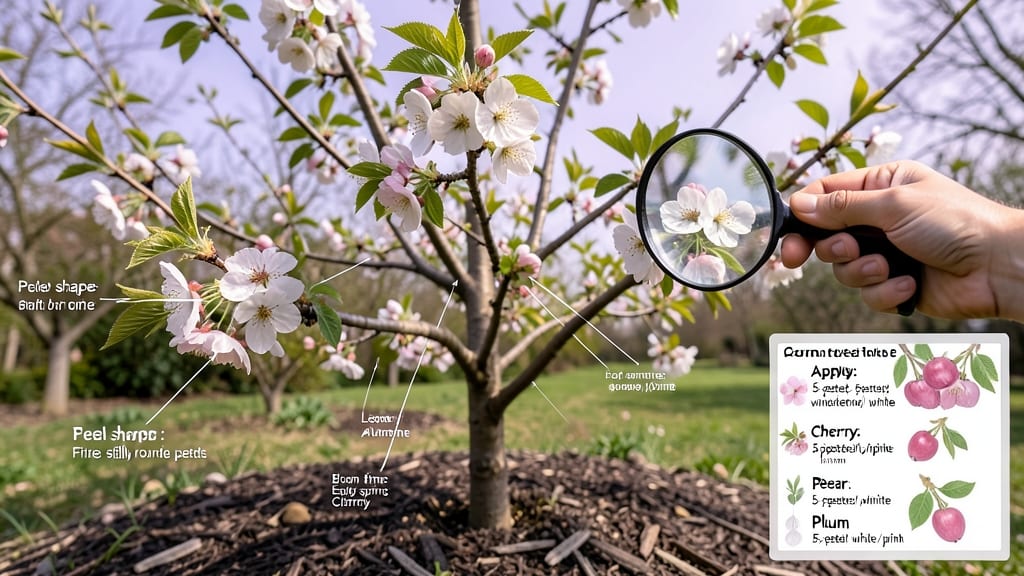
Fruit tree flowers identification is the first step to unlocking a bountiful harvest. 🌸 Those delicate blossoms hold the key to understanding your tree's needs—whether it's apple, peach, or citrus—each has unique traits that reveal its secrets. I've spent years watching blossoms transform into fruit, and I'll show you how to spot the differences that matter most for pruning and pest control.
Start with color: white blossoms often mean apple or pear, while pink or red hints at peach or cherry. Then check the shape—some flowers cluster like grapes, others stand alone like tiny trumpets.
The timing matters too: citrus blooms in spring, while stone fruits peak in early spring before leaves appear. These clues turn guesswork into confidence.
You'll learn to distinguish male from female flowers (yes, some trees have both!) and recognize when blossoms signal stress or disease. A healthy bloom cluster means better fruit set, while sparse or odd-colored flowers could mean it's time to adjust care.
Think of it as reading your tree's love language before it even sets fruit.
This isn't just about pretty pictures—it's about knowing when to prune, how to attract pollinators, and when to watch for pests hiding in the blossoms. Whether you're a backyard grower or a serious orchard keeper, these skills will change how you see your trees forever.
What Triggers Flower Misidentification
When it comes to fruit tree flowers identification, even experienced gardeners can stumble—especially if the blooms look eerily similar. The confusion often boils down to a mix of biological, environmental, and human factors.
Here’s why misidentifying fruit tree flowers happens more often than you’d think, broken down into the key culprits.
Nature loves repetition, and many fruit trees share striking similarities in flower structure, color, or even scent. Here’s why biology plays a trick on us:
- Convergent Evolution: Different tree species evolve similar flower shapes or colors to attract the same pollinators (like bees or butterflies). For example, peach and plum blossoms both feature delicate, five-petaled white or pink flowers—yet their fruit and leaf shapes differ drastically.
- Hybridization: Crossbreeding (intentional or wild) creates "in-between" flowers that defy neat categorization. A pluot (plum + apricot hybrid) might sport flowers that don’t match either parent tree’s classic look.
- Juvenile vs. Mature Phases: Young fruit trees often produce smaller, less vibrant flowers than their mature counterparts. A fig tree’s first blooms might resemble tiny, greenish clusters instead of the expected showy, purple-tinged inflorescences.
Pro Tip: 💡 Check the leaves and bark—they’re far less likely to mimic other species than flowers. A cherry tree’s serrated leaves or a citrus tree’s aromatic foliage can confirm an ID when blooms are ambiguous.
Fruit trees don’t bloom in a vacuum—their environment can drastically change how flowers look, leading to false identifications. Common stressors include:
| Factor | Effect on Flowers | Example |
|---|---|---|
| 🌡️ Extreme Heat/Drought | Smaller, paler blooms with delayed opening (or no flowers at all). | A peach tree under drought stress might produce sparse, white-tipped buds instead of its usual rosy clusters. |
| ❄️ Late Frost Damage | Blackened, deformed, or stunted flowers. | Frost-bitten apple blossoms may look like they belong to a crabapple variety. |
| 🌧️ Excess Moisture | Mushy, discolored petals or fungal spots (e.g., powdery mildew). | Rain-soaked cherry flowers might resemble a diseased dogwood bloom. |
| 🌿 Poor Soil Nutrition | Lackluster colors (e.g., yellowing petals) or stunted growth. | A nitrogen-deficient pear tree’s flowers could mimic those of a struggling hawthorn. |
Action Step: ✨ Observe the tree’s overall health. Healthy trees produce flowers true to their species, while stressed trees may require a soil test or adjusted watering to "reset" their bloom characteristics.
Even with a magnifying glass, we trip up on these common mistakes:
- Focusing Only on Color: Many fruit trees have multiple bloom colors in one season (e.g., almond trees start pink and fade to white). A single snapshot might lead you to misidentify it as a cherry or apricot.
- Ignoring Flower Structure: Some trees have compound flowers (like mulberry’s dense clusters) or unisexual blooms (e.g., fig’s hidden inflorescences). Skipping this detail can send you down the wrong path.
- Seasonal Confusion: Late-blooming varieties (e.g., persimmon) or early bloomers (e.g., elderberry) might appear out of sync with "typical" fruit tree flowering times.
- Relying on Scent Alone: Fragrant flowers (like citrus) are memorable, but scent fades quickly. A whiff of jasmine-scented apricot blossoms might trick you into thinking it’s jasmine itself.
Quick Fix: 🎯 Use a field guide or app (like iNaturalist or PictureThis) to cross-reference flower shape, arrangement, and leaf attachment—not just color.
Understanding these pitfalls turns guesswork into confident identification. Next, we’ll tackle how to correctly match flowers to their trees—even when nature throws curveballs.
Quick Fixes for Flower Identification Woes
Struggling to tell your apple blossoms from your peach flowers? Don’t worry—even seasoned gardeners mix them up sometimes. Below, we’ve mapped out the most common challenges and practical solutions to help you master fruit tree flower ID with confidence.
Whether you’re dealing with blooms that look too similar or seasonal confusion, these fixes will save you time and frustration.
Some fruit tree flowers share striking similarities, making identification tricky. Here’s how to tell them apart:
🍎 vs. 🍑: Apple vs. Peach Blossoms
Cause: Both have white/pink petals and grow in clusters, but their shape and leaf patterns differ. Fix:
- Petal shape: Apple blossoms have five rounded petals (like a star), while peach blossoms have five slightly elongated petals with a more "ruffled" edge.
- Leaf check: Apple tree leaves are oval with jagged edges; peach leaves are lance-shaped with serrated teeth.
- Scent test: Apple blossoms often have a sweeter, stronger fragrance than peach flowers.
💡 Pro Tip: Snap a photo of both flowers and leaves side by side—color differences in the leaves (apple: darker green; peach: lighter) become obvious.
🍒 vs. 🍑: Cherry vs. Peach/Peach Blossoms
Cause: Sweet and tart cherries (plus peaches) can look alike, especially when young. Fix:
| Feature | Sweet Cherry | Tart Cherry | Peach/Nectarine |
|---|---|---|---|
| Flower clusters | Single flowers or small groups (2–5) | Tight clusters (4–8 flowers) | Loose, drooping clusters (5–15 flowers) |
| Petal color | White or pale pink | Bright pink to red | White to pale pink (sometimes with a pink flush) |
| Leaf underside | Smooth or slightly fuzzy | Noticeably hairy (tart cherries) | Smooth but silvery-gray when young |
- 📅 Bloom timing:
- First to bloom: Almond (late winter), plum (early spring), apple (mid-spring).
- Late bloomers: Peach/nectarine (late spring), cherry (early to mid-spring, depending on variety).
- 🌿 Dormant branch shape:
- Peach trees have horizontal branches with spurs (short stubs).
- Apple trees have upright, spreading branches with buds in clusters.
- 🌸 Flower structure:
- Citrus (e.g., orange blossoms) have 4 petals and a prominent stigma.
- Pomegranate flowers are bright red with many stamens.
- 🌱 Bud shape:
- Apple buds are plump and egg-shaped.
- Peach buds are pointy with a small "tail".
- 📸 Photo backup: Use an app like PictureThis or PlantNet to upload images for AI identification.
Once you’ve nailed the ID game, keep these habits to stay ahead:
- 📝 Journal your trees: Note bloom times, leaf shapes, and fruit type each year.
- 🌱 Prune strategically: Remove overlapping branches to improve airflow and visibility.
- 🌿 Label young trees: Use stakes with the tree name and a small icon (e.g., 🍎 for apple).
- 🔍 Learn "tell-tale" details: Focus on one unique trait per tree (e.g., peach’s fuzzy buds, cherry’s hairy leaves).
With these fixes, you’ll go from squinting at blossoms to confidently naming your fruit trees in no time. Happy identifying! 🌸🔍
Frequently asked questions
How can I tell if my fruit tree flowers are male or female?
Most fruit tree flowers are perfect flowers (both male and female parts in one bloom), but some species like figs and kiwis have separate male and female trees. For figs, male flowers appear as tiny, greenish clusters without petals, while female flowers develop into figs. For kiwis, male flowers have prominent stamens while female flowers have a central stigma. Check your tree's fruit production—if it bears fruit, it's likely female.
Why do some fruit tree flowers smell stronger than others?
Fragrant flowers like citrus blossoms and jasmine-scented apricots evolved to attract night-flying pollinators like moths. The scent comes from volatile oils in the petals. Temperature and humidity also affect fragrance—warmer days and high humidity amplify the scent. Some varieties, like satsuma mandarins, are bred specifically for their intense floral aroma.
Can I use flower color alone to identify my fruit tree?
No, color is just one clue! Many trees share similar hues—like peach and plum flowers both being pink—but their petal shape, leaf arrangement, and bloom timing differ. For example, cherry blossoms are bright pink, while tart cherry flowers have a deeper red tint. Always check multiple features: petal count, leaf shape, and branch structure.
What should I do if my fruit tree flowers look diseased?
First, check for common signs like blackened petals (fungal infection), yellowing (nutrient deficiency), or stunted growth (pest damage). Remove affected flowers immediately and dispose of them in sealed bags. For fungal issues, apply copper fungicide during dormant season. If you're unsure, take photos and consult your local extension service for diagnosis.
How do I know when my fruit tree flowers are ready for pollination?
Flowers are pollination-ready when their petals fully open and stamens release pollen (visible as yellow dust). For best results, ensure you have two compatible varieties (like Granny Smith and Gala apples) and attract pollinators with native plants. Early morning is the best time for pollination—bees are most active then. If you're hand-pollinating, use a soft brush to transfer pollen between flowers.