
Leaf Blower
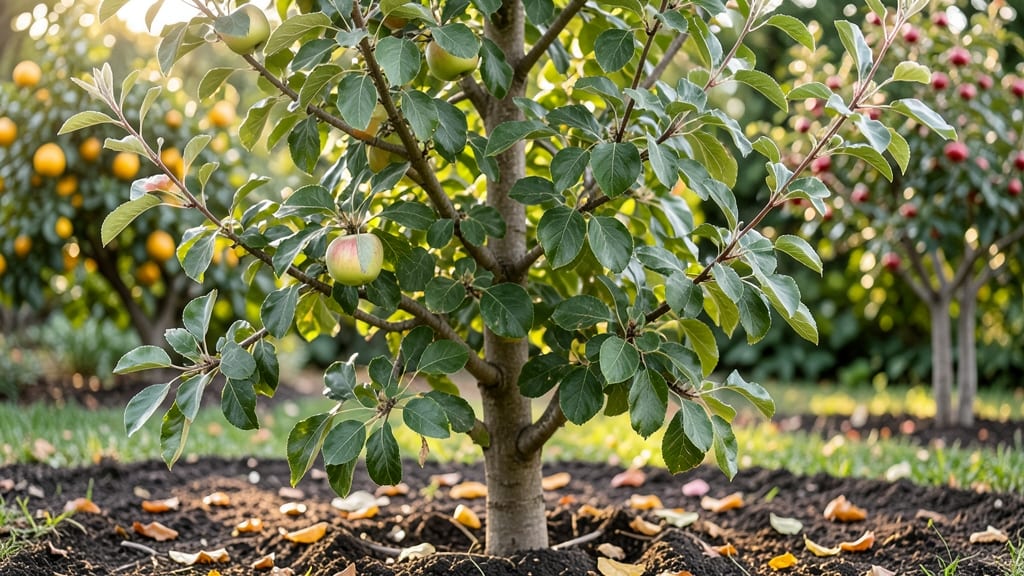
Mastering fruit tree identification by leaf is like unlocking nature’s secret language—once you recognize the patterns, you’ll spot apple, peach, and citrus trees anywhere. 🌳 I’ve spent years comparing leaves in my own backyard, and the differences are subtle but unmistakable once you know what to look for: vein patterns, edges, and even leaf size.
The key is focusing on three simple traits: leaf size (3-6 inches for apples, 4-8 inches for pecans), edge shape (smooth for citrus, serrated for cherries), and vein structure (prominent midribs in pears, fine networks in plums). Young leaves might look different, but mature ones reveal the real clues.
By the end, you’ll distinguish between similar trees like European and Japanese plums or peach vs. nectarine just by their foliage. No more guessing—just confident ID every time you pass a tree-lined street or orchard. For tricky cases, grab a plant ID app or carry a field guide.
The more you practice, the faster you’ll spot patterns that even experienced gardeners miss.
Nature’s Leaf Code Explained
Identifying fruit trees by their leaves might seem like a botanical guessing game, but there’s a method to the madness—and science behind it! Leaves are like nature’s ID badges, packed with traits that evolve for survival, growth, and reproduction.
Here’s why leaves differ so dramatically between fruit trees, making them such reliable clues for identification.
Leaves aren’t just decorative—they’re highly specialized for their tree’s environment and needs. Over millennia, fruit trees developed distinct leaf shapes, textures, and arrangements to:
- Maximize sunlight capture: Broad, thin leaves (like those of a peach tree) absorb more light for photosynthesis, while thick, leathery leaves (e.g., citrus) conserve water in dry climates.
- Conserve water: Waxy coatings, serrated edges, or hairy undersides (common in fig or pomegranate leaves) reduce evaporation, a critical adaptation for arid regions.
- Deter pests: Spiky margins (e.g., hawthorn) or toxic compounds (like in cherry leaves) make leaves less appealing to insects or herbivores.
- Optimize fruit growth: Trees with compound leaves (e.g., walnut or hickory) often produce heavier fruits, as their complex structure supports more energy storage.
Actionable tip: Notice if leaves are simple (one blade, like an apple) or compound (multiple leaflets, like a persimmon). This split alone can narrow down your search by 50%!
Leaves aren’t just genetic—they’re environmentally shaped. A single fruit tree species can develop wildly different foliage based on:
| Factor | Leaf Adaptation Example | Fruit Tree Example |
|---|---|---|
| Humidity | Thinner, larger leaves to increase surface area for gas exchange | Mango (tropical regions) |
| Drought | Smaller, curled, or silver-gray leaves to reflect sunlight | Olive or mulberry |
| Acidic soil | Bright green, glossy leaves (high chlorophyll for nutrient absorption) | Blueberry or cranberry |
| Poor soil | Deeply lobed or jagged edges to trap fallen organic matter | Pear or plum |
Pro tip: 🌡️ If you’re identifying a tree in unusual conditions (e.g., a citrus tree in a cold climate), its leaves may look stunted or discolored—compare it to standard references from its native region.
Even within the same species, leaves can vary due to genetic mutations or cultivar differences. For example:
- Apple trees (Malus domestica): Some cultivars have smooth-edged leaves (e.g., ‘Fuji’), while others sport serrated or lobed varieties (e.g., ‘Granny Smith’).
- Peach trees (Prunus persica): Wild types may have downy undersides, while cultivated varieties often lack this fuzz.
- Citrus hybrids: A lemon leaf might look similar to a lime, but hybrids like meyer lemon have slightly broader, darker foliage.
Key takeaway: When identifying, cross-reference leaf traits with fruit shape, bloom time, and tree size—no single feature is foolproof!
Stress from pests or disease can temporarily alter leaf appearance, leading to misidentification. Common culprits:
- Mites or aphids: Cause yellowing, curling, or sticky residue (e.g., a cherry tree under attack may look like a plum at first glance).
- Fungal infections (e.g., powdery mildew): Create white coatings or black spots (common in pear or quince trees).
- Bacterial leaf spot: Produces water-soaked lesions (seen in peach or nectarine trees).
✨ Expert hack: Examine the leaf underside and new growth—healthy trees have uniform color and texture. If leaves are asymmetrical or deformed, the tree may be under stress.
Leaves aren’t static—they morph as the tree ages or seasons shift:
- Seedlings vs. mature trees: Young apple or pear trees may have softer, rounder leaves that develop serrations as they age.
- Spring vs. fall: New leaves often emerge reddish or purple (e.g., cherry or plum), while autumn brings golden or bronze hues.
- Dormancy: Some trees (like persimmon) drop leaves early, while others (e.g., citrus) stay evergreen—seasonality is a huge clue!
📅 Remember: Take photos of leaves in multiple seasons for accurate identification. A summer maple leaf looks nothing like its autumn counterpart!
Simple Leaf Tricks to ID Trees Fast
Stumped by a mystery fruit tree in your yard? Don’t panic—just follow these practical, step-by-step solutions to crack the code using leaves alone. Whether you’re a gardening newbie or a seasoned enthusiast, these methods will turn you into a leaf-sleuthing pro. 🌿🔍
Every tree has a signature leaf shape—think of it like a fingerprint. Here’s how to decode it:
- 🍂 Simple vs. Compound Leaves
- Simple leaves (one continuous blade, like an apple or cherry tree) are easier to ID.
- Compound leaves (multiple leaflets on one stem, like a pecan or walnut) need closer inspection of the leaflet arrangement.
- Pro Tip: 💡 Count the leaflets—odd numbers (e.g., 3, 5, 7) often point to legume trees (e.g., black locust), while even numbers (e.g., 4, 6) might hint at walnut or hickory.
- 📏 Measure & Compare
- Grab a ruler or your phone’s measuring app to note:
- Length (from base to tip).
- Width (widest point).
- Example: A peach tree leaf is typically 3–6 inches long with a serrated edge, while a fig tree leaf is broad and lobed.
- Grab a ruler or your phone’s measuring app to note:
Leaf edges and veins hold hidden clues. Here’s what to look for:
- 🔪 Edge Types (Margins)
- Serrated (jagged, like a saw—common in apple, pear, and plum trees).
- Lobed (deep indentations, like oak or fig leaves).
- Smooth (entire margin, e.g., cherry or citrus).
- Pro Tip: 🌡️ If edges are curled or wavy, the tree might be stressed (drought, pests), but it’s still a key ID trait.
- 🌿 Venation Patterns
- Pinnate (veins branch from a central midrib, like a feather—seen in peach, apricot, and walnut).
- Palmate (veins radiate from a single point, like a hand—common in citrus or mulberry).
- Pro Tip: ✨ Secondary veins (smaller side veins) can narrow it down further. For example, persimmon leaves have veins that curve upward sharply.
Don’t overlook the petiole (leaf stem) or how leaves attach to the branch:
- 🌱 Leaf Arrangement
- Alternate (one leaf per node, staggered—most fruit trees like apple, cherry, or peach).
- Opposite (two leaves per node, directly across—think mulberry or dogwood).
- Whorled (3+ leaves at a node—rare in fruit trees but seen in horse chestnut).
- 🍃 Stem & Texture
- Hairy stems (e.g., hawthorn or blackberry) vs. smooth (e.g., pear).
- Glands or stipules (small appendages at the base—common in citrus or plum trees).
Leaves change with the seasons—and so do their ID traits!
| Season | What to Look For | Example Trees |
|---|---|---|
| Spring | New growth, tender leaves, bud shapes | Apple, cherry (buds before leaves) |
| Summer | Fully developed leaves, fruit appearance | Peach, plum, fig |
| Fall | Leaf color change (red, yellow, purple) | Persimmon (orange), crabapple |
| Winter | Bud shapes, bark texture | Pecan (zigzag branches), citrus |
Pro Tip: 🎯 If you’re ID’ing in winter, focus on bud scales (e.g., almond buds are fuzzy, while apricot buds are smooth).
Even experts mix up leaves sometimes. Steer clear of these pitfalls:
- ❌ Ignoring the tree’s location – Citrus thrives in warm climates; apple trees need cooler zones. Check your USDA hardiness zone.
- ❌ Assuming all trees with similar leaves are the same – A pear leaf looks like an apple leaf, but the fruit shape and bark texture differ.
- ❌ Skipping the reverse side – Some leaves have distinct undersides (e.g., mulberry leaves are fuzzy below).
- ❌ Not using a reference guide – Bookmark our visual guide or use apps like PictureThis or LeafSnap for instant ID.
💡 Bonus Hack: Snap a photo of the whole tree (not just the leaf) and compare it to our 50+ fruit tree gallery. Sometimes, the fruit or bark seals the deal!
Frequently asked questions
What’s the easiest way to tell an apple tree from a pear tree using leaves?
Look for leaf edges and stem texture. Apple leaves have tiny, sharp serrations along the edges, while pear leaves have broader, less pronounced teeth. Also, pear leaves often have a slightly hairy stem at the base, while apple stems are smooth.
Can I identify fruit trees from leaves in winter when they’re bare?
Yes! Focus on bud shapes and bark texture. For example, peach buds are fuzzy, while cherry buds are smooth and pointed. Citrus trees have thick, leathery bark even in winter. Use a field guide or app to compare bud patterns.
Why do some leaves look different on the same tree?
Young leaves often have softer edges and lighter color than mature ones, while stressed leaves (from pests or drought) may appear curled, spotted, or discolored. Compare multiple leaves—healthy mature ones are your best clue.
What’s the best app for identifying fruit trees by leaf?
Try PictureThis or LeafSnap—both use AI to match your photo against a database. For offline use, download the USDA Plants Database app. Always cross-check with a physical field guide for tricky cases.
How do I distinguish between a peach and nectarine tree by leaves?
Nectarine leaves are slightly darker green and less fuzzy than peach leaves, which often have a downy underside. The biggest clue? Check the fruit skin—nectarines are smooth, while peaches have fuzzy skin.